Oct
4
2019

When a paedocommunionist tells his fellow paedobaptists that the Bible trumps tradition, he has shot himself in the foot.
Peter Leithart recently published a paper entitled “Paedocommunion, the Church, & the Gospel.” As always, he is worth engaging with. The problem I have with doing so is that his arguments are sound but his fundamental assumptions are not. This means that the house which he builds is constructed with great wisdom but is also, unfortunately, located on the sand of the sea. Not only is the tide coming in, but there is also a Jonahic storm on the horizon.
Continue reading
Comments Off | tags: Baptism, Covenant Theology, Peter Leithart | posted in Biblical Theology
Jun
17
2017
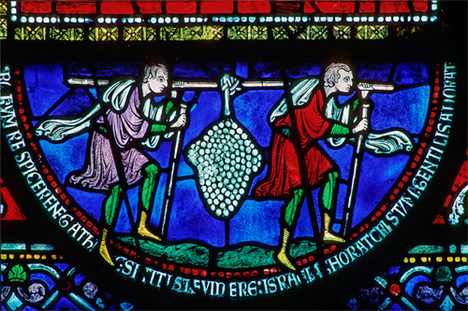
Why do serious theologians persist with a story that reads like third-rate fan fiction?
Continue reading
Comments Off | tags: Andrew Wilson, Covenant Theology, Exodus, Genesis, Joshua, Nephilim | posted in Apologetics, Bible Matrix, Biblical Theology, Creation, The Last Days
Jan
13
2017
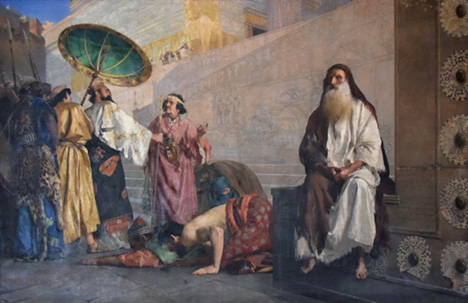
Satan is currently bound from gathering the nations in kingly rebellion so that Jesus might gather them in priestly unity.
Continue reading
Comments Off | tags: Covenant Theology, Esther, Exodus, Haman, Mordecai, Revelation, Revelation 20 | posted in Biblical Theology, The Last Days
Aug
26
2016
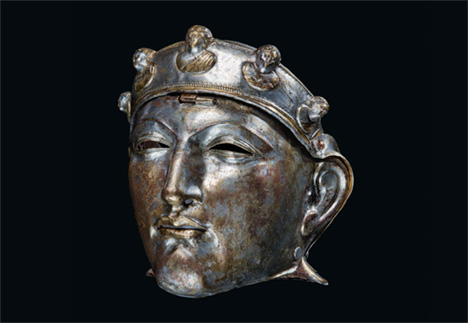
The feet of the great statue in Nebuchadnezzar’s dream cannot be interpreted as a prediction of the states of modern Europe, but the lessons from their failure can certainly be applied.
Continue reading
Comments Off | tags: AD70, Ark of the Covenant, Covenant Theology, Daniel, Genesis | posted in Bible Matrix, Biblical Theology, The Last Days
Jun
24
2016
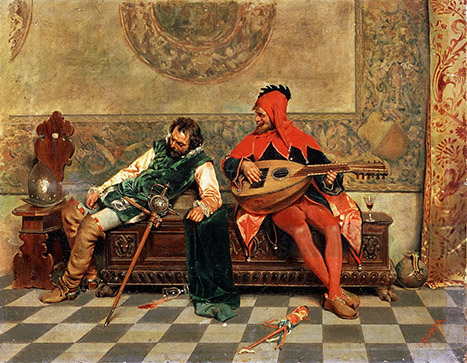
When presented with the pattern of the biblical covenant, many Christians’ eyes glaze over. “Away with this joker and his apophenia!” But there is simply no other way to get a big handle on the Bible. What is the solution? To put living meat on those structural ribs, that is, to communicate how this pattern shapes every aspect of human life.
Continue reading
Comments Off | tags: Covenant Theology, Joshua Luper, Os Guinness | posted in Biblical Theology
Apr
20
2016

Reformed theology is the best school in which to learn about covenant theology, yet it is also the worst place to learn about New Covenant theology. Why is this so?
Continue reading
Comments Off | tags: Abraham, Baptism, Circumcision, Covenant Theology, David, Moses, Noah, Revelation, Tabernacle | posted in Bible Matrix, Biblical Theology
Jul
8
2015
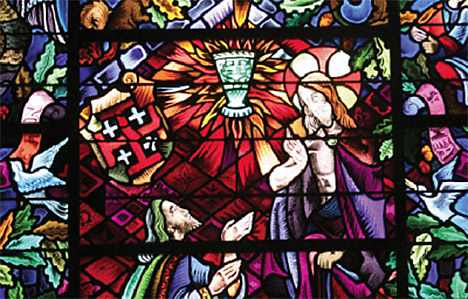
“By the imperative, time is formed into a cup, still empty but formed for the special purpose of being filled with the content demanded by the order.”
The Imperative Comes First
Essay by John Barach
As many people have pointed out, in Christian ethics, the indicative precedes the imperative. First God says, “I am Yahweh your God, who brought you out of the land of Egypt, out of the house of bondage,” and then he gives the Ten Words (“You shall have no other gods before me…”). First Paul tells us what Christ has done and who we are in Christ, and then he summons us to act accordingly. First comes the good news of what God has done for us and then comes the summons to respond in faith and love and new obedience.
Continue reading
Comments Off | tags: Covenant Theology, Eugen Rosenstock-Huessy, John Barach, Ten Commandments | posted in Biblical Theology, Creation, Quotes
Jul
7
2015
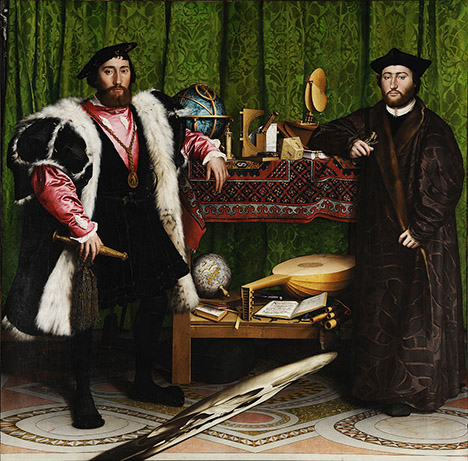
“In the days when our courts are declaring that good is evil and evil is good, the recovery of baptism as a delegation of divine legal authority rather than a sign of ‘limited Covenantal obligation’ is crucial.”
Every biblical Covenant is a word from heaven designed to bring a response from the earth. When the laws in the Ark of the testimony were given to Israel, the response of a legal oath was required, intended to culminate in the legal witness of Israel to the nations. Thus, every biblical Covenant is also a process which leads to maturity, beginning with cultivation and ending in representation.
A child must be schooled before he can be employed. A man must be a disciple before he can be an apostle. Adam was to be qualified before he could represent God as a just and merciful judge on earth. But the difference between cultivation and representation is the difference between circumcision and baptism, and this facet of the biblical Covenants is something paedobaptists are unable to accept, at least in its full glory.
Continue reading
Comments Off | tags: Baptism, Circumcision, Covenant Theology, Exodus, Federal Vision, Genesis, Joshua, Moses, Peter Leithart | posted in Bible Matrix, Biblical Theology, Quotes
Jun
17
2015
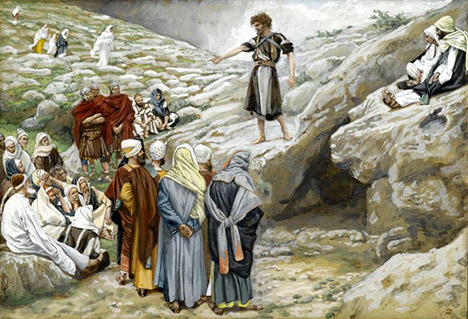
“Behold, The Lamb of God who takes away the sins of the world!”
“Repent and be baptized every one of you in the name of Jesus Christ for the forgiveness of your sins, and you will receive the gift of the Holy Spirit.” (Acts 2:38)
James Jordan has observed that Abraham’s “calling on the name of the Lord” was in fact evangelical proclamation of his faith. Abraham’s witness to the Canaanites was something for which they would be held accountable when Israel returned to claim the land. Chris Wooldridge sees this “vocal allegiance” as the key to understanding the meaning of the washing away of sins in the New Testament. Seen in the context of the last days of the Old Covenant, this was not baptismal regeneration but a public identification by the Jewish worshiper with the final sacrificial lamb (Leviticus 1:1-9).
Chris writes:
Continue reading
2 comments | tags: Abraham, Acts, Baptism, Chris Wooldridge, Covenant Theology, Leviticus, Peter | posted in Biblical Theology, Christian Life, The Last Days
Apr
14
2015
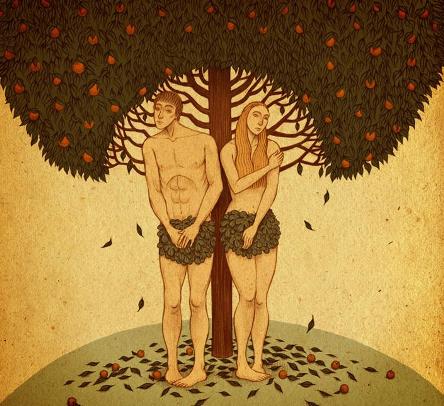
Is our justification a past event or a future one? The debate continues while the answer is, like Adam and Eve, hidden in plain sight.
The problem with most theological discussions concerning our justification is that they are imagined in the courts of men rather than in the court of God. What is the difference between these two courts?
Continue reading
Comments Off | tags: Baptism, Circumcision, Covenant Theology, Exodus, Genesis, Moses | posted in Bible Matrix, Biblical Theology