Jan
25
2017
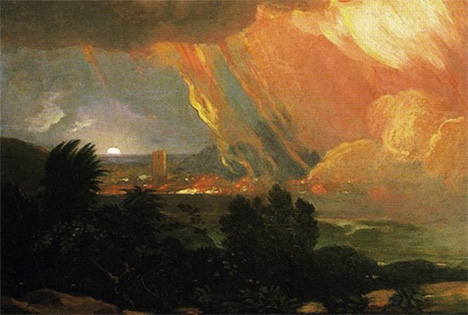
Lot offering his daughters to the men of Sodom is an affront to our moral sensibilities, yet the New Testament calls him a righteous man. Could our problem be simply that the Bible is smarter than we are?
Continue reading
2 comments | tags: Abraham, Genesis, James Jordan, Lot | posted in Biblical Theology
Aug
5
2016

With the inheritance of Canaan and the dividing up of this priestly territory among the tribes, Israel became a microcosm of the nations of the world.
Continue reading
Comments Off | tags: Abraham, Herod, High Priest, Satan | posted in Biblical Theology
Apr
20
2016

Reformed theology is the best school in which to learn about covenant theology, yet it is also the worst place to learn about New Covenant theology. Why is this so?
Continue reading
Comments Off | tags: Abraham, Baptism, Circumcision, Covenant Theology, David, Moses, Noah, Revelation, Tabernacle | posted in Bible Matrix, Biblical Theology
Jun
17
2015
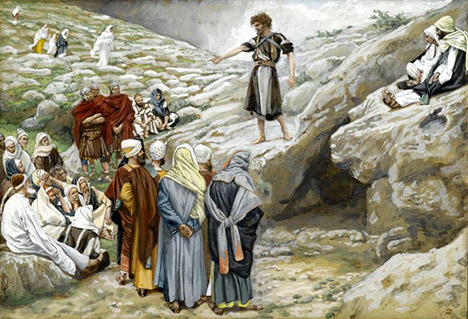
“Behold, The Lamb of God who takes away the sins of the world!”
“Repent and be baptized every one of you in the name of Jesus Christ for the forgiveness of your sins, and you will receive the gift of the Holy Spirit.” (Acts 2:38)
James Jordan has observed that Abraham’s “calling on the name of the Lord” was in fact evangelical proclamation of his faith. Abraham’s witness to the Canaanites was something for which they would be held accountable when Israel returned to claim the land. Chris Wooldridge sees this “vocal allegiance” as the key to understanding the meaning of the washing away of sins in the New Testament. Seen in the context of the last days of the Old Covenant, this was not baptismal regeneration but a public identification by the Jewish worshiper with the final sacrificial lamb (Leviticus 1:1-9).
Chris writes:
Continue reading
2 comments | tags: Abraham, Acts, Baptism, Chris Wooldridge, Covenant Theology, Leviticus, Peter | posted in Biblical Theology, Christian Life, The Last Days
Nov
8
2014
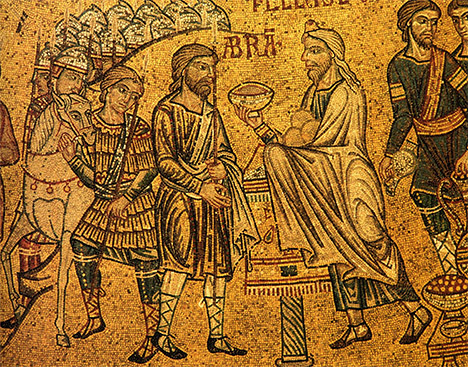
What the Order of Melchizedek Means For Baptism
Jesus is the Alpha and Omega, the beginning and the end, and all His works are chiastic. Because of this, a solid understanding of any Covenant requires us to identify its “bookends.” According to Hebrews, the Melchizedekian bookends are crucial for a comprehension of the limitations of the Abrahamic Covenant.
Continue reading
Comments Off | tags: Abraham, Baptism, Circumcision, Covenant Theology, Genesis, Literary Structure, Melchizedek | posted in Bible Matrix, Biblical Theology
Oct
25
2014
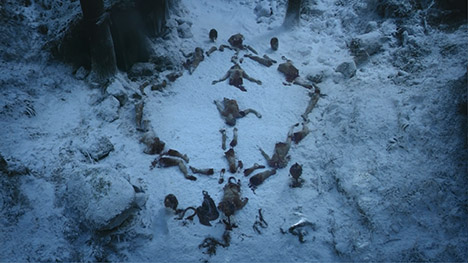
Why was the unique sacrificial rite in Genesis 15 required, and what did it signify? Was it simply a self-maledictory oath on the Lord’s behalf, or was there something deeper going on?
Continue reading
Comments Off | tags: Abraham, Baptism, Covenant curse, Covenant Theology, Genesis, Melchizedek, Noah | posted in Bible Matrix, Biblical Theology
Oct
18
2014
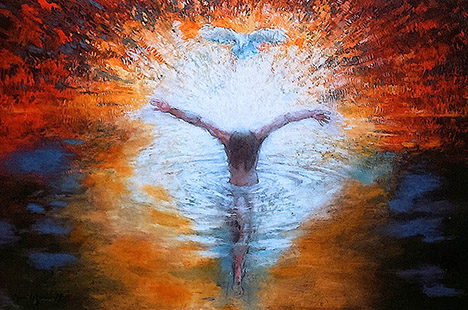
“A baptism which does not discern between the fruit of the womb and the fruit of the tomb is anti-Christ, denying He has come in the flesh.”
This post follows on from Exposed To The Elements.
An online paedobaptist friend commented that he had never heard sacred architecture offered as an argument for credobaptism before. My experience with the brilliant Bible teaching by the various Federal Vision gents is that I get a principle under my belt, then automatically begin to see its implications for all of Scripture. But then numerous times I would be surprised when no one had thought of applying it consistently. The main offender is paedobaptism. Despite their claims, it is a rite that does not spring naturally from Scripture. In fact, it has to be protected from Scripture, from the very principles I have been taught by paedobaptists.
Continue reading
6 comments | tags: Abraham, Baptism, Circumcision, David, Federal Vision, Genesis, James Jordan, John the Baptist, Peter Leithart, Tabernacle, Toby Sumpter | posted in Biblical Theology
Sep
10
2014
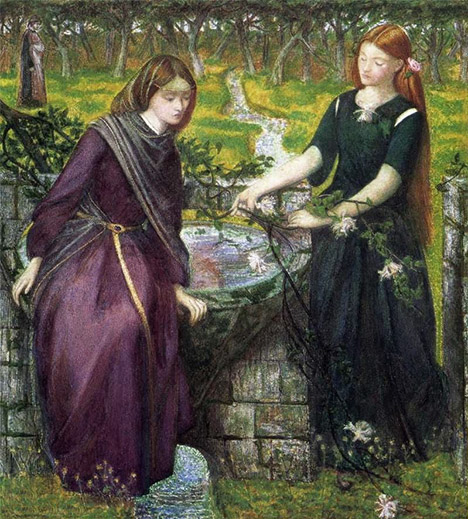
This post has been slain and resurrected for inclusion in my 2015 book of essays, Inquietude.
Continue reading
2 comments | tags: Abraham, Absalom, Baptism, Cain, Circumcision, David, Deuteronomy, Esau, Genesis, Jacob, Joseph, Laban, Lamech | posted in Bible Matrix, Biblical Theology, The Last Days
Jul
2
2014
Raising Cain
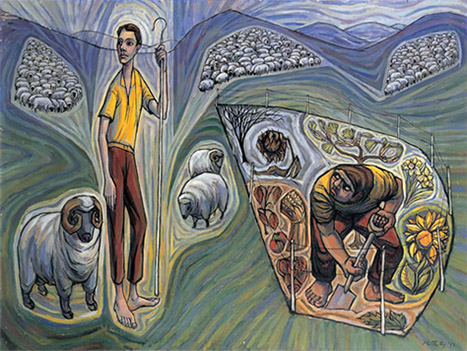
“Just as Circumcision made impossible a global corruption,
so paedobaptism makes impossible a global Gospel.”
Part 1 here.
With so many young people leaving the Church, it is no wonder that there is a push to renew an understanding of biblical Covenant. Giving our children a profound sense of their “Covenant identity” is a crucial means of re-establishing the Covenant framework which has been neglected. Unfortunately, those pushing for these things are going about it in entirely the wrong way, because they are re-establishing the wrong Covenant.
Continue reading
12 comments | tags: Abel, Abraham, Babel, Baptism, Cain, Circumcision, Covenant Theology, Genesis, Jonah | posted in Biblical Theology
Mar
17
2014
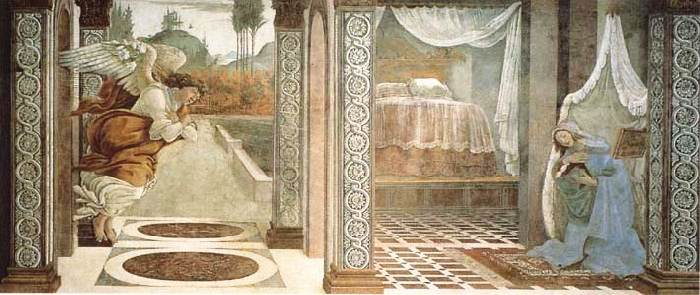
“Modern commentators seem to overlook the promise of children in Genesis 1, and how these unmentioned ‘innocents,’ yet in Adam’s loins, are silent but crucial characters in Genesis 3.”
When Paul refers to Abraham as the father of all who believe, the one through whom all nations would be blessed (Romans 4:9-22), we must be prepared to interpret his inspired words through the lens of the House of God, the ever-present architecture of Eden.
The Name of the Father
God’s household in heaven was a tent of servants—the angels—but there was only one Son, through whom came all Creation. This means that the first verses of John’s Gospel, which describe the pre-incarnate Word, can tell us a great deal about God’s intentions for Adam, the incarnate image of God. All that Jesus was in heaven, Adam was to be on earth:
This post has been slain and resurrected for inclusion in my 2015 book of essays, Inquietude.
Continue reading
Comments Off | tags: Abraham, Covenant Theology, Feasts, Genesis, Literary Structure, Tabernacle | posted in Bible Matrix, Biblical Theology