Oct
30
2017

In this sequel, moral absolutes have succumbed to corporate interests and brutal pragmatism. The film poses uncomfortable questions for a culture whose prosperity is maintained artificially and unsustainably through abortion, exploitation and war, and whose divorce of sex from procreation is slowly but surely drifting into a demographic winter.
Continue reading
Comments Off | tags: Film, Genesis | posted in Biblical Theology, Ethics
Oct
5
2017
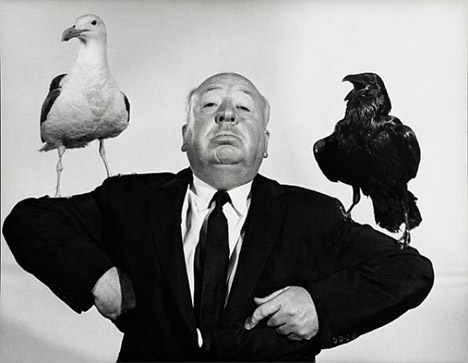
“The truth wrapped in a riddle or a joke is irresistible. What looks like skylarking is sometimes the fowler’s snare.”
Continue reading
Comments Off | posted in Biblical Theology, Ethics
Feb
2
2017

A review of Birds of the Air: Theological Twitter
Continue reading
Comments Off | posted in Apologetics, Biblical Theology, Christian Life, Creation, Ethics, The Last Days
Nov
16
2016

“What does it look like when antiestablishmentarianism becomes the establishment?”
Continue reading
1 comment | tags: Economics, Politics, Postmillennialism | posted in Apologetics, Biblical Theology, Christian Life, Ethics
Jul
31
2016

Canadian artist and author Michael O’Brien discusses the “soft totalitarianism” of secularism’s “friendly dragon.”
Walker Percy once wrote about the Western writer’s tendency to what he called “Solzhenitsyn-envy.” Percy’s witticim is tongue in cheek, and insightful, but it begs a deeper look: Why is the envy there in the first place? Why would one envy a suffering, persecuted man?
Continue reading
Comments Off | tags: Communism, Culture, Michael O'Brien | posted in Christian Life, Ethics, Quotes
Sep
12
2015
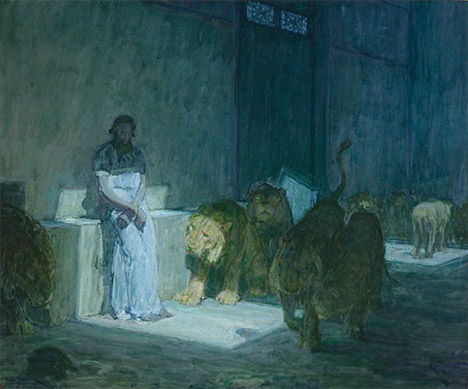
An excerpt from a new book, Metropolitan Manifesto, by Rich Bledsoe.
The ancient and pagan world was conquered by martyrs. Can modernity be re-Christianized by anything else?
Continue reading
Comments Off | tags: Culture, Ecclesiology, Politics, Rich Bledsoe | posted in Biblical Theology, Christian Life, Ethics, Quotes
May
5
2015

I recommend this article by Pastor Bill Smith.
Christ is absent. Though he is not dead, he did go away, leaving his ministers to care for his bride and “raise up seed” for him. As levirs, they have the right to profit from the inheritance of the heir–the entire church–until the seed/son comes of age.
The church in Corinth was a pastoral nightmare. Factionalism, sexual immorality, incipient syncretism, using the church as a stage for self-promotion, and denial of the final resurrection were just some of the problems.
Continue reading
Comments Off | tags: Bill Smith, Corinthians, Deuteronomy, Ecclesiology | posted in Biblical Theology, Christian Life, Ethics
Apr
5
2015

How will the world judge God
when given the opportunity?
For God does know that in the day you eat thereof, then your eyes shall be opened, and you shall be as gods, knowing good and evil. (Genesis 3:5)
You shall have no other gods before me. (Exodus 20:3)
Jesus answered them, “Is it not written in your Law, ‘I said, you are gods’?” (John 10:34)
The aim of the testing of Adam was to qualify him to be a co-regent with God. Rich Bledsoe argues that the question of God’s existence is not ontological but ethical at heart. History is Man’s attempt to either eradicate God’s rule, or to make God co-regent with Man.
Continue reading
Comments Off | tags: Atheism, Genesis, Rich Bledsoe, Secular humanism | posted in Biblical Theology, Ethics, Quotes
Dec
13
2014

Secularism and Inquisition
“If I were in charge, they would know that waterboarding is how we baptise terrorists” – Sarah Palin, April 2014
Despite its Messianic pretensions, the secular state has no authority over the spiritual realm, and militant Islam exposes this incompetence to us again and again. The “War on Terror” banner illustrates perfectly the failure of statists to comprehend, or perhaps to admit publicly, the true nature of our enemy.
This post has been slain and resurrected for inclusion in my 2015 book of essays, Inquietude.
Continue reading
2 comments | tags: Baptism, Islam, Persecution, Secular humanism | posted in Biblical Theology, Ethics
Oct
10
2014

Sweet Counsel: Essays to Brighten the Eyes is now available on amazon. It is a collection of very polished and reworked blog posts along with some new material. Here is the introduction…
BITTERSWEET
“Gracious words are like a honeycomb,
sweetness to the soul and health to the body.”
(Proverbs 16:24)
If, in the language of biblical symbols, gold is solid light and oil is liquid light, then honey is liquid gold.
As the golden Ark contained the Ten Words, and the oil of the Lampstand lightened the path of the king, so honey is the Word of God in edible form. In the wilderness, manna tasted like honey wafers. In Canaan, the law of the Lord was even more desirable than its precious honey (Psalm 19:10; 119:103).
Continue reading
Comments Off | tags: Biblical worldview, Sweet Counsel | posted in Apologetics, Bible Matrix, Biblical Theology, Christian Life, Ethics, Quotes