Aug
5
2018

“The seven days of Genesis 1 are a chiasm, and therefore these sections are a chiasm. The Adam who doesn’t come to rule at the beginning is answered by the Adam who does come to rule at the end.”
Continue reading
Comments Off | tags: Genesis, James Jordan | posted in Bible Matrix, Biblical Theology, Creation, Quotes
Jun
13
2017
Comments Off | tags: James Jordan | posted in Biblical Theology
Jan
25
2017
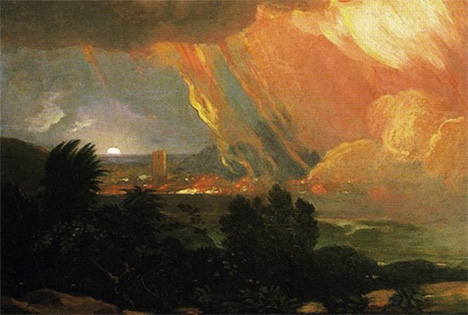
Lot offering his daughters to the men of Sodom is an affront to our moral sensibilities, yet the New Testament calls him a righteous man. Could our problem be simply that the Bible is smarter than we are?
Continue reading
2 comments | tags: Abraham, Genesis, James Jordan, Lot | posted in Biblical Theology
Mar
26
2016
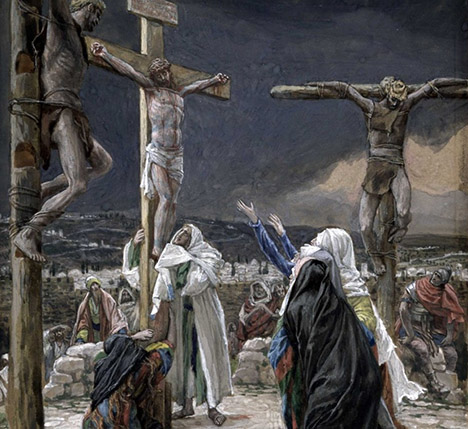
The abandonment of the Son by the Father is made palpable not in the crucifixion of His body, since He willingly laid down His life, but in the darkness which covered the Land for three hours. But perhaps this darkness was a sign of the Father’s nearness rather than His distance.
Continue reading
Comments Off | tags: Acts, Babel, Babylon, Crucifixion, Exodus, Ezekiel, Herod, James Jordan, Judas, Leviticus, Peter Leithart, Revelation, Tabernacle | posted in Biblical Theology, The Last Days
Dec
1
2015
Comments Off | tags: James Jordan, Music | posted in Biblical Theology
Oct
26
2015

By James B. Jordan, at Theopolis Institute.
From time to time, when I’ve lectured on how to read the Bible, I’ve used art-music as one example thereof. When we listen to a simple folk song, we hear the same melody over and over again, but this is not how composers write “high” music. Let me amplify.
Continue reading
Comments Off | tags: Hermeneutics, James Jordan, Music | posted in Biblical Theology, Quotes
Aug
22
2015
What does it mean to read the Bible as inspired literature?
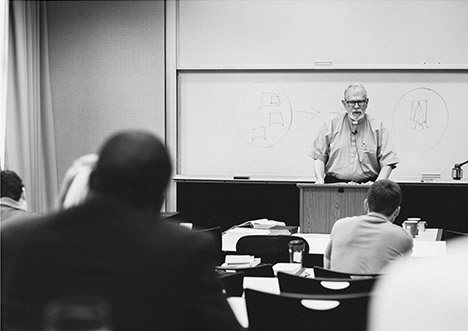 by James B. Jordan – PART 1
What does it mean to read the Bible as inspired literature? The method is not new nor is it uncommon in Dutch Reformed circles. Exegesis must be Christocentric, plenary (all the text serves a theological purpose), respect the context in God’s redemptive plan, and plumb the full literary depth of the writing.
Continue reading at Theopolis Institute.
Comments Off | tags: Hermeneutics, James Jordan | posted in Biblical Theology, Quotes
Jul
31
2015
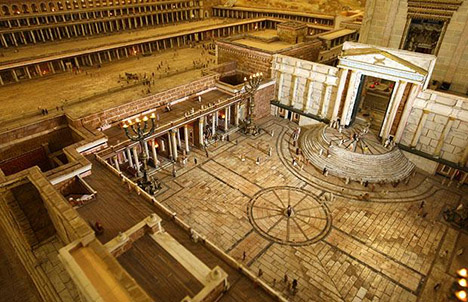
All of the arcane “personal” stipulations in the Torah find their fulfilment in the corporate worship of Israel. Just as the sacrifices were to be without blemish, so also were Israelites to be spotless if they were to stand before God. But the rules for the identification, quarantining and ceremonial cleansing of leprosy only begin with the skin of the worshiper in the wilderness. They then move to the garment, and finally to the house in the Promised Land. A failure in personal holiness would lead eventually to a corruption of corporate worship. James Jordan writes:
Continue reading
Comments Off | tags: AD70, Herod, James Jordan, Leprosy, Leviticus, Matthew, Temple, Zechariah | posted in Biblical Theology, Quotes, The Last Days
Jun
29
2015
Comments Off | tags: Darren Doane, James Jordan | posted in Biblical Theology
Jun
21
2015
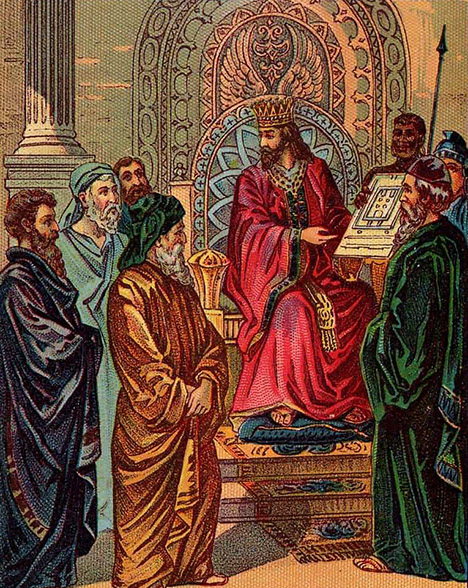
“Virtually every time in the Bible that God gives a promise or a kingdom to someone, the first thing he does is ruin the promise by sinning against God.”
A must-read essay by James B. Jordan | www.biblicalhorizons.com
Solomon began to build the Temple of the Lord in the fourth year of his reign, which was 480 years after Israel came out of Egypt, the year A.M. 2993 (1 Kings 6:1).
Seven years later, in the year A.M. 3000, the Temple building was finished (1 Kings 6:38). The many ornate pieces of furniture needed for the Temple were not yet made, however, and during the next thirteen years the palace of Solomon and his royal apartments were built, while the apparatus of the Temple worship was being created (1 Kings 7). Then, in A.M. 3013, both houses were finished (1 Kings 7:51; 9:10).
After Solomon dedicated the Temple and worship began to be conducted there, God appeared to Solomon. This was in the 24th year of his reign. God told him that if he remained faithful, the throne of David would be established over the kingdom of Israel perpetually. If Solomon sinned, however, the rule over Israel would be lost (1 Kings 9:1-9).
Continue reading
Comments Off | tags: Economics, James Jordan, Kings, Politics, Solomon | posted in Biblical Theology, Quotes