Mar
8
2015

Satan’s desire was always to turn the “pruning” of circumcision into an ax laid at the root of the tree of Israel.
A handful of treatments of the “massacre of the innocents” by Herod the Great see this bloodshed as the first of the New Covenant’s martyrs. But these miss the point of Matthew’s use of the word “fulfilled,” rendering it as good as meaningless. This massacre was the harbinger of the end of the old era and its promises. It said nothing about the promises of the new.
Continue reading
Comments Off | tags: Acts, AD70, Babylon, Baptism, Circumcision, Communion, Covenant curse, Covenant Theology, Herod, Jeremiah, Joseph, Literary Structure, Matthew | posted in Bible Matrix, Biblical Theology, The Last Days
Nov
29
2014
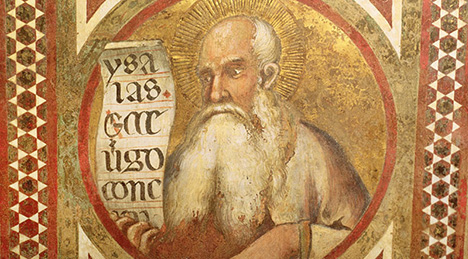
The Death of Deutero- and Trito-Isaiah
The heart of typology is representation, and representation is the heart of sacrifice.
A great deal of so-called theology seems to me to be a waste of time, breath and ink. Theologians and commentators insist on applying a “lens” to Scripture, or building a case from cherry-picked particulars or accumulations of fragmented data, when the answer to the debated question is staring right back at them. Literary structure should be the first recourse, not the last. When it comes to the Bible, literary structure is the label on the tin.
Continue reading
Comments Off | tags: Brueggemann, David A. Dorsey, Isaiah, Literary Structure, oikoumene, Peter Leithart, Systematic typology | posted in Bible Matrix, Biblical Theology, Quotes, The Restoration Era
Nov
8
2014
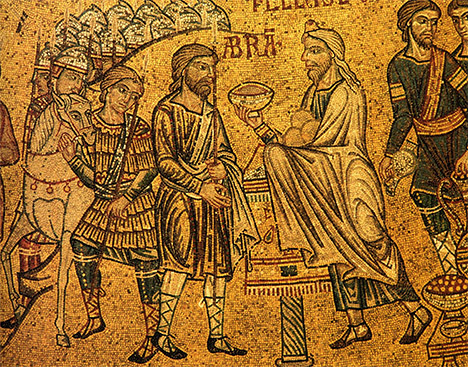
What the Order of Melchizedek Means For Baptism
Jesus is the Alpha and Omega, the beginning and the end, and all His works are chiastic. Because of this, a solid understanding of any Covenant requires us to identify its “bookends.” According to Hebrews, the Melchizedekian bookends are crucial for a comprehension of the limitations of the Abrahamic Covenant.
Continue reading
Comments Off | tags: Abraham, Baptism, Circumcision, Covenant Theology, Genesis, Literary Structure, Melchizedek | posted in Bible Matrix, Biblical Theology
Oct
8
2014
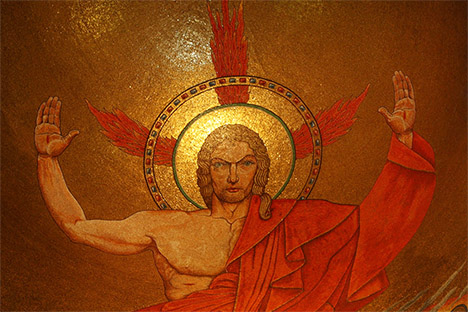
After describing to an older Christian friend what happened in Jerusalem during the Jewish war, he replied, “Why have I never been taught this?”
Without their Covenant context and historical bearings, the pointy words of Jesus become so “generalized” that they seem inconsequential. In the wisdom of God, the tragic events of AD70 were recorded that we might understand the consequences of ignoring Jesus. They nail the New Testament Scriptures to the ground.
Continue reading
Comments Off | tags: AD70, Covenant curse, Covenant Theology, Literary Structure, Matthew | posted in Bible Matrix, Biblical Theology
Aug
17
2014
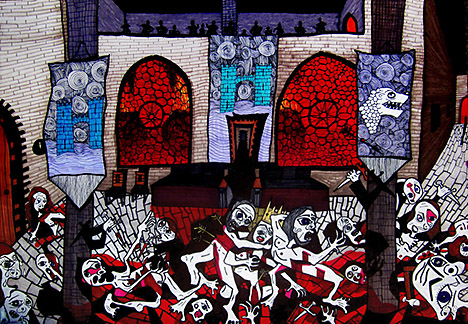
For as in those days before the flood
they were eating and drinking,
marrying and giving in marriage,
until the day when Noah entered the ark…
(Matthew 24:38)
The Oath/Sanctions section of the Revelation seems to have three parts. The judgment begins in the house of God (Temple bowls – Garden), then follows the revelation of the “mystery” of the Woman and the kings of the Land, and finally the judgment reaches out to the borders of the World (the oikoumene). This corresponds not only with the Garden, Land, World architecture of the nations in Genesis 1-10, it brings an end to the “intermarriage,” the compromise of the Priestly people with idolatrous kings. It is fitting that the third part of this judgment (chapters 18-19) culminates in a Red Wedding.
Continue reading
Comments Off | tags: AD70, Covenant curse, Covenant Theology, Josephus, Literary Structure, oikoumene, Revelation, Temple | posted in Bible Matrix, Biblical Theology, The Last Days
Jul
8
2014
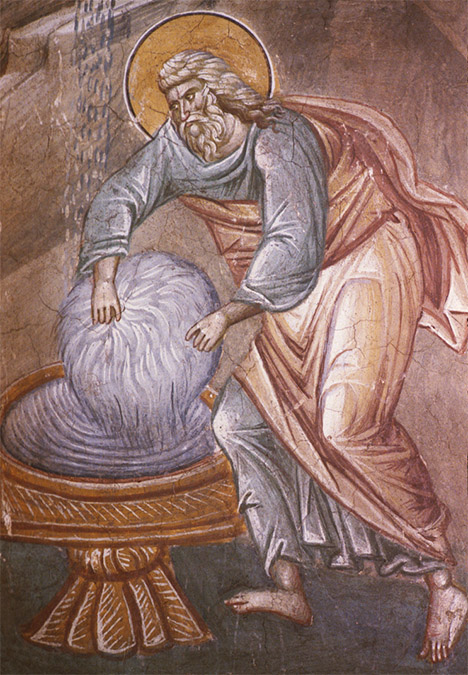
In the Bible, everything is confirmed by the testimony of two or three witnesses. (James Jordan notes that this is the basis for Hebrew parallelism and also verbal pleonasm. See Symbolism – A Manifesto.) An example of a “dual” witness from God would include the two dreams given to Joseph, and the two dreams given to Pharaoh. We see each Covenant confirmed by two witnesses as well. The Mosaic Covenant was a double witness at three levels: the two tablets of the Law, the second set of tablets, then a second giving of the Law in Deuteronomy.
A sign was given to Gideon to prove that God would save Israel by Gideon’s hand. He requested a second sign, and rather than chiding him, the Lord acquiesced. The Lord Himself asks us to prove all things. That explains the double sign, but not the ingredients of the signs, the fleece and the threshing floor. Fortunately, the consistency of biblical symbolism and structure not only gives us the answer, it reveals the events as a type of the events which followed, and, typologically, also shines light on the process of the first century apostolic witness.
Continue reading
2 comments | tags: Firstfruits, Gideon, Judges, Literary Structure, Pentecost, Typology | posted in Bible Matrix, Biblical Theology
Jun
28
2014
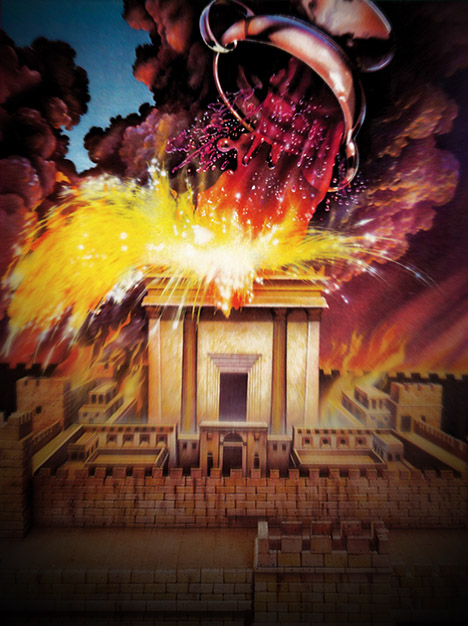
or Where Kenneth Gentry Is Wrong on the Revelation
Part 1 here.
I’ve been meaning to write this post since I wrote Part 1 (over two years ago). A friend’s recent question concerning Kenneth Gentry’s lectures on the Revelation encouraged me to bite the bullet and bust a gut and get it done. The question is this: Is the Revelation to be interpreted in the light of Josephus’ Jewish War, or in the light of the Bible itself?
Continue reading
6 comments | tags: AD70, Ark of the Covenant, Covenant curse, Covenant Theology, Deuteronomy, James B. Jordan, Kenneth Gentry, Leviticus, Literary Structure, Peter Leithart, Revelation, Revelation 20, Thessalonians | posted in Against Hyperpreterism, Bible Matrix, Biblical Theology, The Last Days
Apr
12
2014

“I found it refreshing that the text didn’t spend chapters discussing controversies because Michael Bull lets the fractal nature of the text itself speak out in matters such as baptism and justification.”
A review of The Shape of Galatians by Victor Chininin Buele (from amazon)
_________________________________
I was very skeptical at first about reading Bible Matrix (an earlier work by the author), and I did so only because a friend insisted that I should. Soon enough, I started to see glimpses of the patterns that the author described. I continued to read through his other works, and it became clear to me that Michael Bull does desire to love God with all his heart, soul, mind, and strength. He does so by seeking to understand the Bible and teach it to others. So, I came across The Shape of Galatians, and I read it during a snow day. I could not put it down.
Continue reading
1 comment | tags: Literary Structure, The Shape of Galatians, Victor Chininin Buele | posted in Bible Matrix, Biblical Theology
Mar
17
2014
“Modern commentators seem to overlook the promise of children in Genesis 1, and how these unmentioned ‘innocents,’ yet in Adam’s loins, are silent but crucial characters in Genesis 3.”
When Paul refers to Abraham as the father of all who believe, the one through whom all nations would be blessed (Romans 4:9-22), we must be prepared to interpret his inspired words through the lens of the House of God, the ever-present architecture of Eden.
The Name of the Father
God’s household in heaven was a tent of servants—the angels—but there was only one Son, through whom came all Creation. This means that the first verses of John’s Gospel, which describe the pre-incarnate Word, can tell us a great deal about God’s intentions for Adam, the incarnate image of God. All that Jesus was in heaven, Adam was to be on earth:
This post has been slain and resurrected for inclusion in my 2015 book of essays, Inquietude.
Continue reading
Comments Off | tags: Abraham, Covenant Theology, Feasts, Genesis, Literary Structure, Tabernacle | posted in Bible Matrix, Biblical Theology
Feb
22
2014

Many of the obscure and apparently obsolete details in the Torah are hints of events later in the Bible. Some of these details are not what is said but what is not said. And some of these unspoken hints are discernible only through identification of common structures. One example is a line missing from Genesis 1.
Continue reading
Comments Off | tags: Abraham, Covenant Theology, Fractals, Literary Structure, Moses | posted in Bible Matrix, Biblical Theology