Oct
9
2013
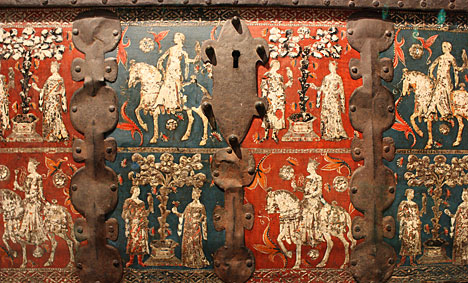
or Marriage is a Glory Box, a Hope Chest
In 1 Peter 3:7, the apostle writes:
Likewise, ye husbands, dwell with them according to knowledge, giving honour unto the wife, as unto the weaker vessel, and as being heirs together of the grace of life; that your prayers be not hindered.
The phrase “according to knowledge” (gnosis) is rendered “in an understanding way” in the NKJV and ESV. But is the exhortation for the husband to understand his wife, or to understand the source of his authority as her husband?
Continue reading
Comments Off | tags: AD70, Evolution, Genesis, Marriage, Totus Christus | posted in Bible Matrix, Biblical Theology, Creation, Q&A, The Last Days
Jan
4
2013
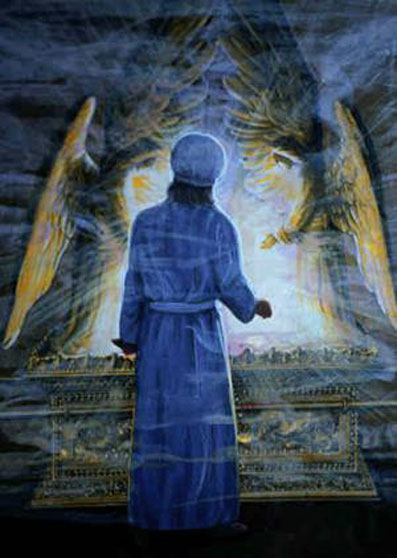
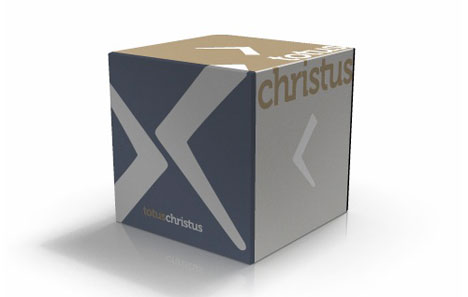 A design concept for TC.
Continue reading
Comments Off | tags: Tabernacle, Totus Christus | posted in Bible Matrix, Biblical Theology
Jul
21
2012
Red Blood, Blue Blood
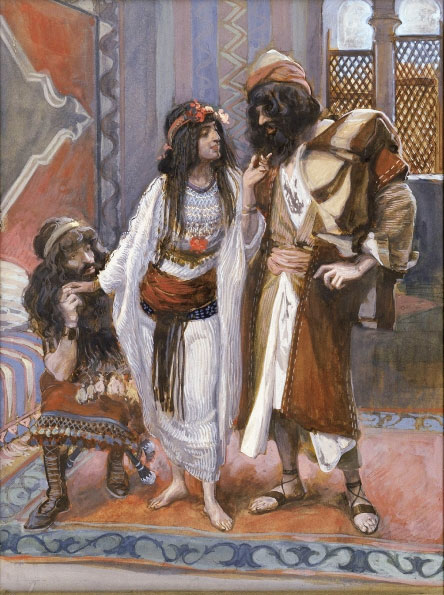 Behold, when we come to the land, you shall bind this line of scarlet thread in the window from which you let us down… Joshua 2:18
Each Israelite was to wear blue tassels on the four corners of his robe. The tassel was a blue cord that unraveled into threads, a “one” that became many. Using the “systematic typology” of the Bible Matrix, we can see that these four blue tassels correspond to the four rivers the flowed down from the spring under the Garden of Eden. [1]
So, what’s the deal with the “red cord” that Rahab was commanded to display in her window in Jericho? Firstly, the Hebrew word isn’t the same word as the “cord” in Numbers 15.
Continue reading
Comments Off | tags: Baptism, Circumcision, Grace, Joshua, Matthew, Peter Leithart, Rahab, Steven Opp, Systematic typology, Totus Christus, Worship as commerce | posted in Bible Matrix, Biblical Theology, Creation, Quotes
Apr
28
2012
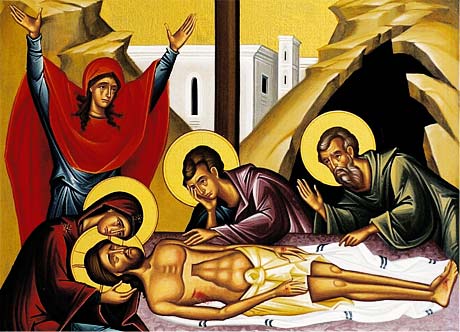
“Touching a bone made an Israelite unclean. Burning bones upon Jeroboam’s altars defiled them. This was not because bones were unholy but because they were already holy.”
 Here’s a new chapter from God’s Kitchen (members only).
“This is now bone of my bones
And flesh of my flesh;
She shall be called Woman,
Because she was taken out of Man.”
Genesis 2:23
Continue reading
Comments Off | tags: Ezekiel, Genesis, Jeroboam, Joseph, Leprosy, Resurrection, Totus Christus | posted in Bible Matrix, Biblical Theology, Creation
Mar
29
2012
or The Holy Hymen 101
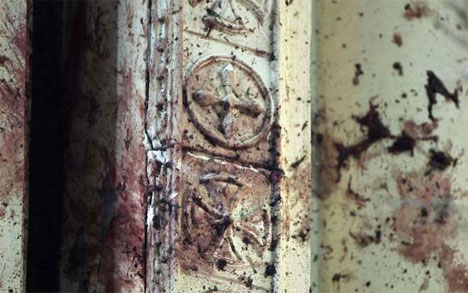 Blood on the doorpost of the al-Qiddissin Coptic Church in Alexandria, Egypt.
“This, like many things in the Torah, sounds pretty barbaric. But, like many of the weirdest things in the Torah, we see these laws, which are personal types, played out in corporate antitypes right to the end of the Bible.”
“But if the thing is true, and evidences of virginity are not found for the young woman, then they shall bring out the young woman to the door of her father’s house, and the men of her city shall stone her to death with stones, because she has done a disgraceful thing in Israel, to play the harlot in her father’s house. So you shall put away the evil from among you.” (Deuteronomy 22:20-21)
In a recent debate about Greg Bahsen’s woeful review of Chilton’s The Days of Vengeance, an online friend took interpretive maximalism to task.
For instance, because doorposts could be likened to legs, Jordan claims that the passover blood smeared on doorposts corresponds to the blood of circumcision—which in turn is equivalent to the tokens of virginity from the wedding night (I am not kidding; cf. The Law of the Covenant, pp. 82-83, 252-258). [PDF]
Yes, this sounds weird, but it isn’t at all. Bahnsen didn’t have an imagination fully informed by the Bible.
Continue reading
Comments Off | tags: David Chilton, Egypt, Greg Bahnsen, Hermeneutics, Martyrdom, Paul, Revelation, Systematic typology, Totus Christus | posted in Biblical Theology, Quotes, The Last Days
Mar
1
2012
or Knife and Fire
From Bible Matrix II: The Covenant Key.
 James Jordan observes that the tools required for Adam to produce bread and wine in the Land were “Knife and Fire.” In God’s kitchen, Knife is Division (guarding cherubim), and Fire is Testing (purifying seraphim). The ascension of the Head allows the holy fire to descend upon the nearbringing sacrifice and raise up a fragrant Body of smoke from the Altar.
Continue reading
10 comments | tags: Communion, Covenant Theology, Genesis, Totus Christus, Typology | posted in Bible Matrix
Feb
16
2012
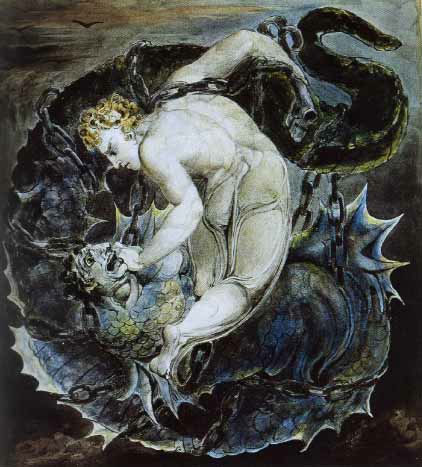
“No one can enter a strong man’s house and plunder his goods, unless he first binds the strong man. And then he will plunder his house.” (Mark 3:27 27)
A lot of commentary on the Revelation seems oblivious to the allusions to the Pentateuch (although there are many that do take it into account and are enlightening at the most obvious points). Even the “binding” of Satan in Revelation has an Old Testament background.
Continue reading
Comments Off | tags: AD70, Against Hyperpreterism, Communion, Millennium, Postmillennialism, Revelation 20, Totus Christus | posted in Bible Matrix, Biblical Theology, The Last Days
Feb
2
2012
Doing my first Bible Matrix presentation this Sunday morning (with Powerpoint) at a church in Sydney. Also have a question time at the church dinner on Saturday night. Please pray for me as I prepare. I can handle public high school kids okay, but this is a different kettle altogether!
Continue reading
5 comments | tags: Totus Christus | posted in Bible Matrix, Biblical Theology
Dec
6
2011
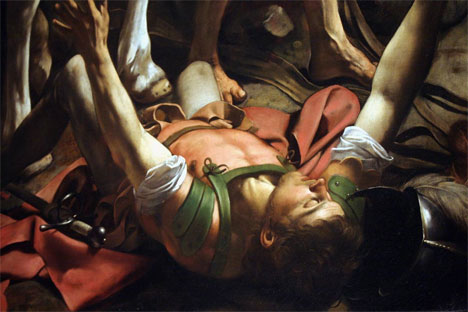
I posted this cycle in response to a comment/suggestion by Steven Opp. It’s from Totus Christus. I’ve learnt since 2009 that the texts contain much more precise structures than I was aware of at the time, but do believe this one still holds water at a general level. And speaking of water, look where Paul’s baptism occurs in the passage.
Continue reading
7 comments | tags: Acts, Baptism, Covenant Theology, Literary Structure, Totus Christus | posted in Bible Matrix, Biblical Theology