Nov
7
2015
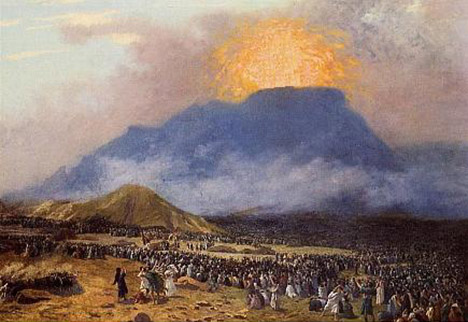
Ignorance of the Bible’s very consistent architecture has led to the assembly of many well-meaning but errant doctrinal constructs over the centuries. With reference to it, however, the conflicts are made plain. Our own towers to heaven, however historic they might be, and however cherished, must be torn down.
Continue reading
2 comments | tags: Baptism, Communion, Culture, Exodus, Jeff Meyers, Levites, Luke Welch | posted in Bible Matrix, Biblical Theology
Jun
28
2015
My online friend Tim Nichols has posted an initial batch of theological notes. Not only are they encouraging and inspiring, as far as I can tell I am in agreement with him on all points. Feel free to comment.
Continue reading
Comments Off | tags: Baptism, Communion, Ecclesiology, Tim Nichols | posted in Biblical Theology, Christian Life, Quotes
Apr
7
2015

…all of the Old Covenant sacraments, like the flood, were future tense and testified to the destruction of the flesh.
[A report from our London correspondent, Chris Wooldridge:]
A week ago, I attended two conferences delivered by Peter Leithart on the subject of the Sacraments. The first one was aimed at anyone interested; the second was addressed more to ministers and theological students.
Continue reading
Comments Off | tags: Baptism, Chris Wooldridge, Communion, Covenant Theology, Federal Vision, Peter Leithart | posted in Biblical Theology, Quotes
Mar
8
2015
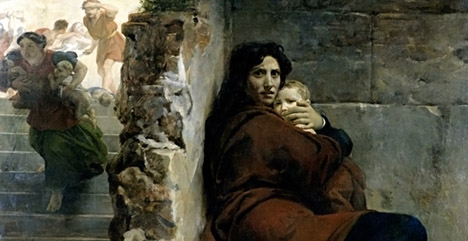
Satan’s desire was always to turn the “pruning” of circumcision into an ax laid at the root of the tree of Israel.
A handful of treatments of the “massacre of the innocents” by Herod the Great see this bloodshed as the first of the New Covenant’s martyrs. But these miss the point of Matthew’s use of the word “fulfilled,” rendering it as good as meaningless. This massacre was the harbinger of the end of the old era and its promises. It said nothing about the promises of the new.
Continue reading
Comments Off | tags: Acts, AD70, Babylon, Baptism, Circumcision, Communion, Covenant curse, Covenant Theology, Herod, Jeremiah, Joseph, Literary Structure, Matthew | posted in Bible Matrix, Biblical Theology, The Last Days
Mar
6
2015
Since Jesus loves little children, and Jesus is the Great Shepherd, our little children must therefore be His lambs.
About whom was Jesus speaking when He asked Peter to feed his “lambs”? John 21 is used in support of the practice of paedocommunion, but such an argument sees only what it is looking for. If we allow the passage to speak for itself, what is it saying?
Continue reading
Comments Off | tags: Baptism, Communion, Federal Vision, Tim Gallant | posted in Bible Matrix, Biblical Theology, The Last Days
Dec
21
2014
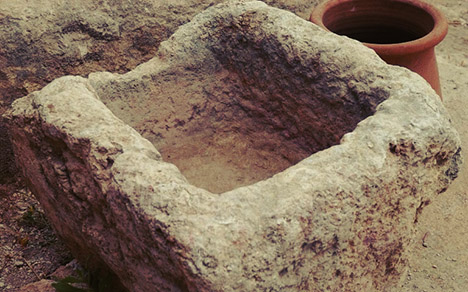
Jesus would be gathered first to the true fathers, then, once enthroned, He would gather the true sons.
In English, the word manger is archaic, preserved for us by the Christmas tradition. In French, the word is still in use, being the infinitive “to eat.” As with every detail in the Scriptures, the fact that the One who would give Himself to us in the elements of a meal was placed in a food trough invites contemplation.
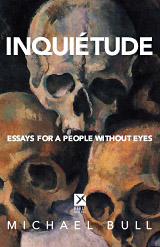
This post has been slain and resurrected for inclusion in my 2015 book of essays, Inquietude.
Continue reading
Comments Off | tags: Christmas, Communion, Luke, Mark, Matthew, Revelation, Revelation 20 | posted in Biblical Theology
Dec
10
2014
or Keeping Jesus Together
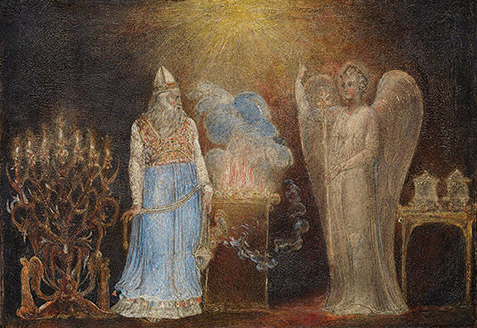
Christ at the centre of history is the entire Creation in one Man: Forming, Filling and Future.
“…the testimony of Jesus is the spirit of prophecy.”
(Revelation 19:10)
The Creation Week, although sevenfold, consisted of three days of Forming, three days of Filling, and then a Future, the dominion of the world promised to Adam. But before Adam could be considered qualified to rule the world as the representative of God, Adam himself would have to be a new creation.
This post has been slain and resurrected for inclusion in my 2015 book of essays, Inquietude.
Continue reading
Comments Off | tags: Baptism, Communion, Islam, Tabernacle | posted in Bible Matrix, Biblical Theology, The Last Days
Jan
29
2014
Looking God in the Eye
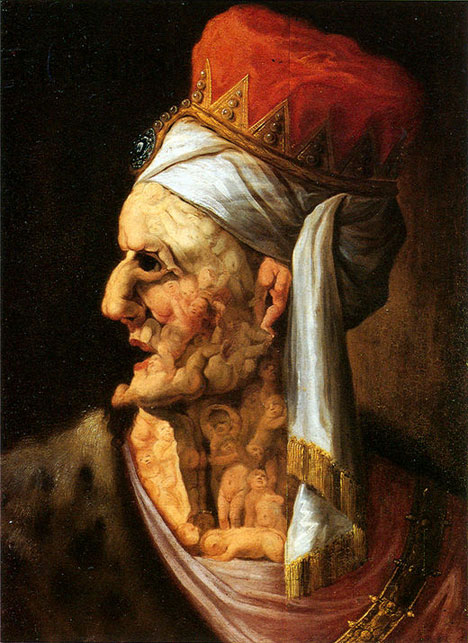
The history of mankind is one of good gifts turned into idols. Blessings abused become curses in the hands of those who won’t look God in the eye.
For those of us who know the Bible, the idolatries become more subtle. This was the case for the Pharisees. The exile had purified Israel of old-school idolatry, so she invented a new school: an elitism bound by an Abrahamic heritage and energized by the abuse of Moses and the Law as a means of salvation: heritage instead of faith; obligation instead of salvation. The good things given as gifts once again became the gods.
Continue reading
2 comments | tags: Baptism, Communion, Covenant Theology, Federal Vision | posted in Biblical Theology, Christian Life, The Last Days
Nov
17
2013
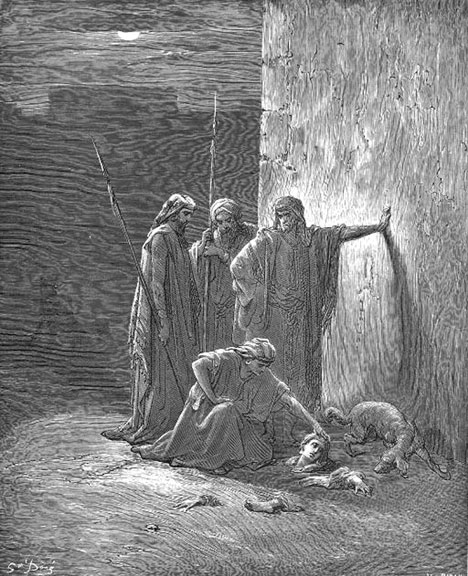
Who are the dogs and pigs whom Jesus warns His hearers against in Matthew 7?
[This post has been refined and included in Sweet Counsel: Essays to Brighten the Eyes.]
Continue reading
1 comment | tags: Communion, Covenant Theology, Lampstand, Matthew, Sermon on the Mount, Tabernacle | posted in Bible Matrix, Biblical Theology
Nov
11
2013
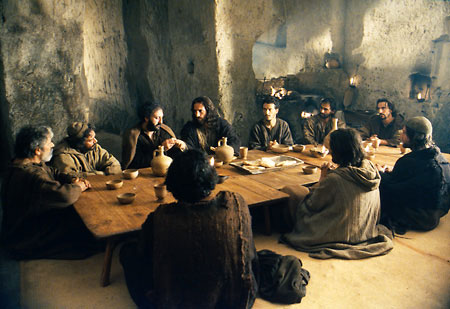
“The Lord’s Table is for dangerous people.”
If you are going to baptize infants, it makes sense that you would also allow them to take Communion. Baptism brings one into the priesthood (through the Laver) to the court of God, and Communion is fellowship in the priestly kingdom. To unite the two is consistent—as consistent as the two pillars flanking the threshold of Solomon’s Temple.
Continue reading
Comments Off | tags: Baptism, Circumcision, Communion, Ecclesiology, Federal Vision, God's Kitchen, James Jordan, John, Lampstand, Passover, Sacraments, Tim Gallant | posted in Biblical Theology