Jul
29
2016
Brexit and the Binding of Satan – Part 1

The disintegration of the EU is not the end of the world. It is a sign that the end of the world is anything but nigh.

The disintegration of the EU is not the end of the world. It is a sign that the end of the world is anything but nigh.
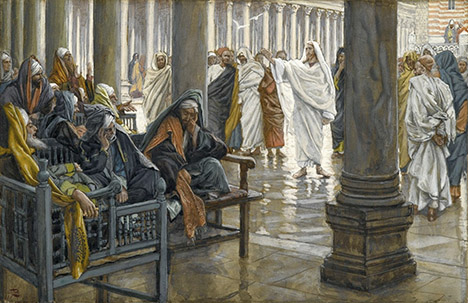
“…who were the Pharisees in their real setting? Where did they come from? There are no such people in the Old Testament, but when we get to Matthew they seem to be hiding behind every rock and shrub.”
Essay by Daniel Hoffman
If people today know anything about the Pharisees, they know them as the villains of the New Testament. Those who know a little more probably have a conception of the Pharisees as overly strict, eating their gruel with a scowl and casting condemnation in every direction, while Jesus was open and chill. Some might go beyond this and imagine the Pharisees as the perfect (or perfectly bad) model of self-salvation: The Pharisees wanted to save themselves by their good works, but the New Testament (it’s thought) is all about salvation through faith, and works are no big deal.
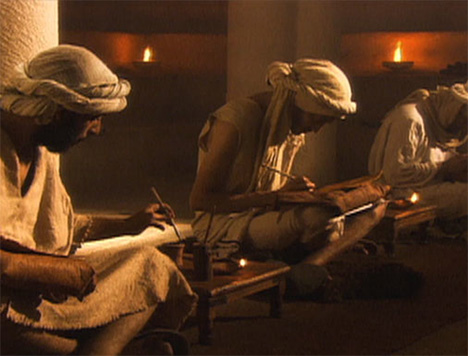
Some excerpts from Ben Witherington’s long summary of William A. Johnson’s short book, Readers and Reading Culture in the High Roman Empire:
Let me be clear that this book focuses on people like Pliny or Aulus Gellius or Galen, or Fronto or Lucian, but there is much to be learned from this book that can be applied, mutatis mutandis to literate Christians, their scribes, and early Christian communities of reading and writing…
James B. Jordan discusses the Confessions and Confessionalism with Steve Wilkins.
“Open the Bible and let the lion loose…”
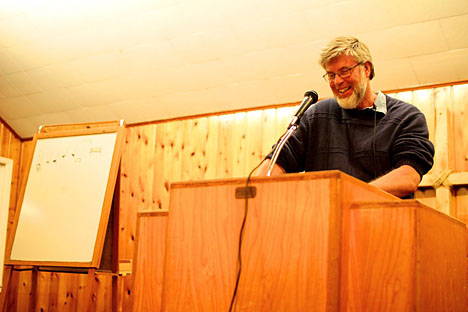
Rich Blesdoe is a man not only well-read in history and philosophy, he is able to interpret the mountains of data through a finely-focussed biblical-theological lens.
“The Left has now won, and Leftism is an auto-immune disease. It has nothing to do with any of the diseases of paganism. It is completely and wholly a reaction to Christianity.”
“At every paedobaptism,
earthly kingdom trumps heavenly priesthood,
and the blood of the prophet Abel cries from the ground.”
See the Baptism links page for all articles in this series.
The Social Contract
Dr Leithart continues by pining for the Middle Ages, the days when baptism defined both religious and civil membership for every member of society, both great and small, men and women, adults and infants. He states that the Anabaptist idea that baptism was a purely religious rite was “novel and revolutionary.” Perhaps it was novel in the Middle Ages, but it wasn’t new. We must ask, what inspired it? The answer is not history or tradition but the Scriptures. I have come to understand the relationship between Church and State from other writings of Jordan and Leithart, so I don’t understand Leithart’s failure to apply those definitions here.
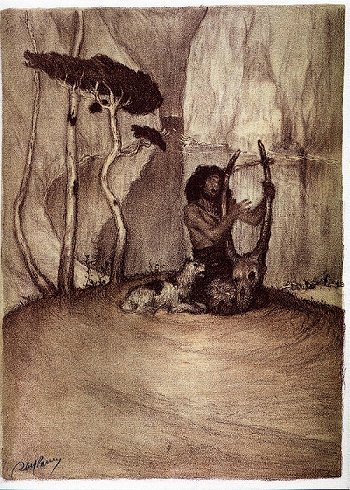 A while ago, Angie Brennan posted a quote from a Touchstone article on God’s apparent wastefulness when it comes to our natural talents:
Continue reading
“Typologically speaking, life on other planets would be Creational ‘polygamy,’ something outside the character of God.”
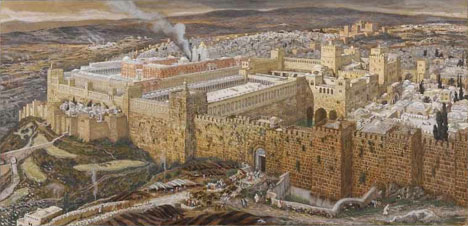
A quick historical summary of the destruction of Jerusalem for your non-preterist friends:
In AD64, Herod’s Temple was completed, and Nero burned Rome. Both events led to the persecution of Christians — the Great Tribulation.
 Bible Matrix blog