Nov
16
2016

Jul
29
2016
Brexit and the Binding of Satan – Part 1

The disintegration of the EU is not the end of the world. It is a sign that the end of the world is anything but nigh.

Jun
21
2015
Solomon’s Disastrous Geopolitics
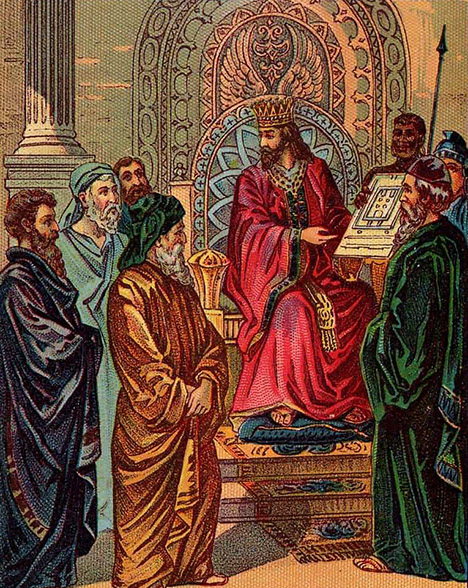
“Virtually every time in the Bible that God gives a promise or a kingdom to someone, the first thing he does is ruin the promise by sinning against God.”
A must-read essay by James B. Jordan | www.biblicalhorizons.com
Solomon began to build the Temple of the Lord in the fourth year of his reign, which was 480 years after Israel came out of Egypt, the year A.M. 2993 (1 Kings 6:1).
Seven years later, in the year A.M. 3000, the Temple building was finished (1 Kings 6:38). The many ornate pieces of furniture needed for the Temple were not yet made, however, and during the next thirteen years the palace of Solomon and his royal apartments were built, while the apparatus of the Temple worship was being created (1 Kings 7). Then, in A.M. 3013, both houses were finished (1 Kings 7:51; 9:10).
After Solomon dedicated the Temple and worship began to be conducted there, God appeared to Solomon. This was in the 24th year of his reign. God told him that if he remained faithful, the throne of David would be established over the kingdom of Israel perpetually. If Solomon sinned, however, the rule over Israel would be lost (1 Kings 9:1-9).
Nov
21
2013
Always Take The Weather
“Things ain’t cookin’ in my kitchen
Strange affliction wash over me
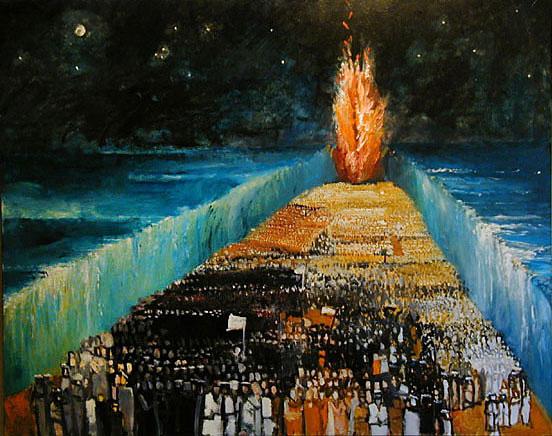
Julius Caesar and the Roman Empire
Couldn’t conquer the blue sky…” [1]
Today, the Australian government’s carbon tax repeal bills cleared Parliament’s lower house. They will be voted upon in the Senate next year. To see this reported as an act of climate vandalism by the media isn’t a surprise. What is surprising is the consternation of many Christians.
Nov
30
2012
Cash and Covenant
or Thirty Pieces of Silver
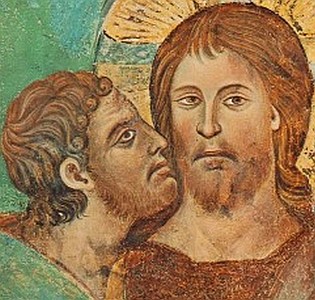
“A Christian culture is a culture of opportunity because it is a culture that flows from the Covenant.”
The Bible Matrix is found throughout the Bible. It is the shape of Creation but it is also the shape of Covenant. It is the process of promise and fulfilment. We see it in Eden. We see it in Canaan. Every Covenant is a mission, a tour of duty, resulting in a safe place to live, a home of abundance, peace and glory. It should be no surprise to Christians that it is also the process that underpins economic growth.
May
17
2012
The Eternal People
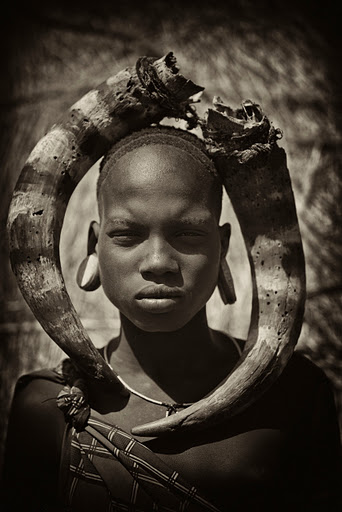
The dreamtime is over.
The Bible teaches us that flesh is temporary. This is bad news for those who distrust God. Flesh is all they have.
Sep
22
2011
Global Glass Ceiling

or The False Bride Will Never Get A Management Position
“…the only unity that will be allowed by the Father is the unity that Jesus requested from the Father in John 17.”
One of the interesting “universal themes” that James Jordan has uncovered in the Bible is that of Satan’s various attempts to “gather the nations” against the Church. You can read about that in a series of blog posts called Amalek Debunks Hyperpreterism (click here and scroll down).
Apr
20
2011
Does the Bible Matter in C21?
.
Spotted by Burke Shade:
Does the Bible Matter In the 21st Century? by Vishal Mangalwadi
“The West became great because biblical monogamy harnessed sexual energy to build strong families, women, children, and men.”
“In his quest to change oppressive regimes in Afghanistan and Iraq, President George W. Bush argued, ‘Everyone desires freedom.’ True. Everyone also desires a happy marriage: can everyone therefore have one?
Nov
6
2010
Out of the Eater
or A Bigger Christendom
“In the middle of its street, and on either side of the river,
was tree of life, which bore twelve fruits,
each tree yielding its fruit every month.
The leaves of the tree were for the healing of the nations.”
Revelation 22:2
NOTE: THIS POST HAS BEEN REMIXED AND INCLUDED IN GOD’S KITCHEN.
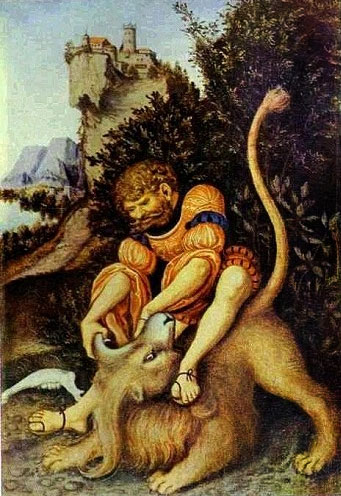
While the governments of the first global economy in history explore areas of policy for which there is no historical precedent, Christians need to understand that even now, there is nothing new under the sun. It may be true, as some believe, that every war (including World War I) can be traced back to disputes over resources. But all the economic advice we need, whether personal, national or global, is contained in the Bible. The Tree of Life is still at the centre of the Garden, but it is the Church, and God is working on a forest. Continue reading
Aug
12
2010
Baal’s Stimulus Package
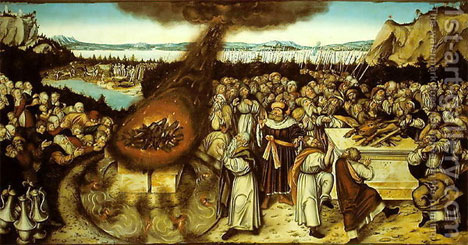
Does the Bible really contain everything the man of God requires? The curve balls of history call the church to greater and greater wisdom, but the principles remain the same. What if one of the oddest books of the Old Testament contained crucial advice for modern western culture and the Christians attempting to deal with its tragi-comic apostasy? Continue reading
OUT NOW
COMING SOON
 Bible Matrix blog
-




IN THE WORKS

Jordan Complete