Oct
16
2012
On the Table

Click for a larger view.

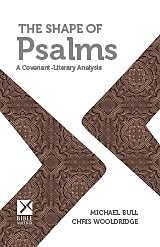
Members, here’s a ripe new chapter from God’s Kitchen. The book should be available some time in November.
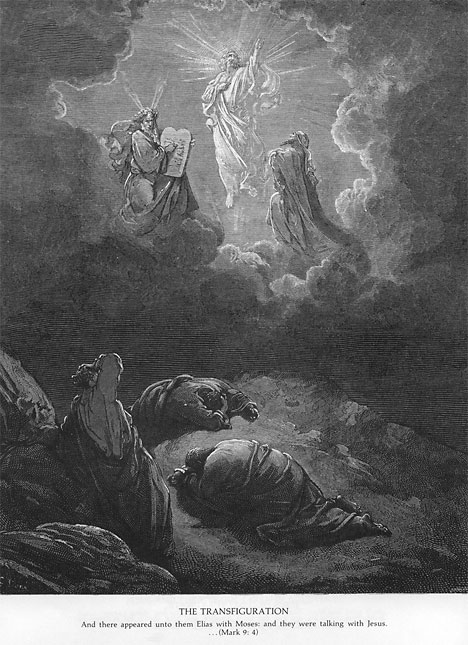
“To have a God-given internal moral compass is to have God Himself.”
Maturation is the process of making God’s “external law” into our internal law, our operating, animating principle. This has huge implications for sanctification, but it also explains a lot of what is going on in the Bible’s symbolism and architecture.
[This post has been refined and included in Sweet Counsel: Essays to Brighten the Eyes.]
Continue reading
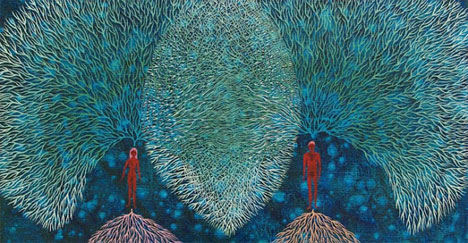
“What we have received from Jesus is not a collection of ‘merits,’ but rather His maturity.”
James B. Jordan writes:
The problem with the “covenant of works” notion lies in the fact that it is linked up with merit theology. There is no merit theology in the Bible. Merit theology is a hangover of medieval Roman Catholicism.
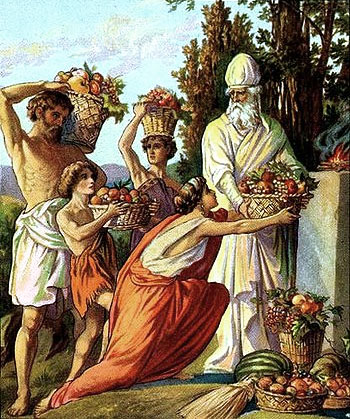
Numbers didn’t seem to be long enough for there to be seven “matrix” cycles, but it seems now that this may be a possibility. For the Covenant “five” to “bloom” into a seven, the “Ethics” of the Covenant structure is split into three: Firstfruits, Pentecost and Trumpets, or “Head,” “Fire’” and “Body.” Since Cycle 3 is “Firstfruits,” we should expect the story to include motifs such as Ascension, the Altar-Land, Levitical ministry, the firstborn, tithing and “devotion.” Hey, guess what comes next in Numbers?
“There is a way that seems right to a man,
but its end is the way to death.” (Proverbs 14:12)
King David committed far worse sins than did King Saul. Saul was not an evil man, yet his judgments caused the deaths of many people, including Jonathan, his other sons and even the priests of God. Why did a reign that began so well end in such tragedy?
 Part 1 here.
We’ve covered the first “Covenant cycle” in Numbers, which in theory should set the pattern (fractally) for the remainder of the book. Here’s my go at the second cycle, which (again, in theory, if my suspicions are correct), should be an “exposition” of the second part of the first cycle, which concerned the “military” arrangement of the tribes around the Tent of Meeting (Delegation). So, even though this cycle works through all seven steps, each step should reflect an “Exodus/Hierarchy” or Delegation theme. Each step thus has two literary “spatial coordinates,” an X and a Y. Each step must thus employ a symbol that pertains to two different Covenant steps, or describes the relationship between them.


 Bible Matrix blog