Jan
8
2013
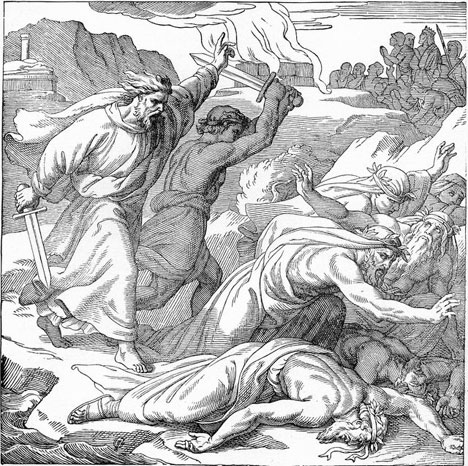 In Born of the Spirit, Peter J. Leithart writes:
Alan Kerr (The Temple of Jesus’ Body: The Temple Theme in the Gospel of John (Library of New Testament Studies), 71) offers this comment on Jesus’ statement that Nicodemus had to be born of the Spirit before entering the kingdom: “It is almost universally accepted that Spirit here refers to the Spirit of God. But at this stage in the Gospel there was no Spirit (7:39), because Jesus was not yet glorified. It is not until Jesus is risen and appears to the disciples and breathes on them and says, ‘Receive the Holy Spirit’ that the Spirit is given (20:22). So from the point of view of Johannine timing what Jesus says to Nicodemus should only be realized in a post-resurrection setting. Properly speaking he can only be reborn from above when Jesus is glorified.”
This obviously affects the use of John 3:5 as a proof text for the doctrine of regeneration.
Is this support for the ‘giving of the Spirit’ in paedobaptism?
Continue reading
Comments Off | tags: Baptism, Elijah, John, John the Baptist, Noah, Peter Leithart | posted in Against Hyperpreterism, Biblical Theology, Creation
Oct
21
2012
“The Sabbatarian vision is too small. This is why Paul chides the Galatians for observing ‘days and months and seasons and years.’ The Sabbath, along with the Torah administration as a whole, belonged to the stoicheia, the “elements of the world,” the things that constituted the first creation.”
From Tim Gallant’s blog:
Continue reading
Comments Off | tags: Elijah, Galatians, James Jordan, John the Baptist, Matthew, Pharisees, Revelation, Ten Commandments, Tim Gallant | posted in Biblical Theology, Quotes, The Last Days
Sep
19
2012
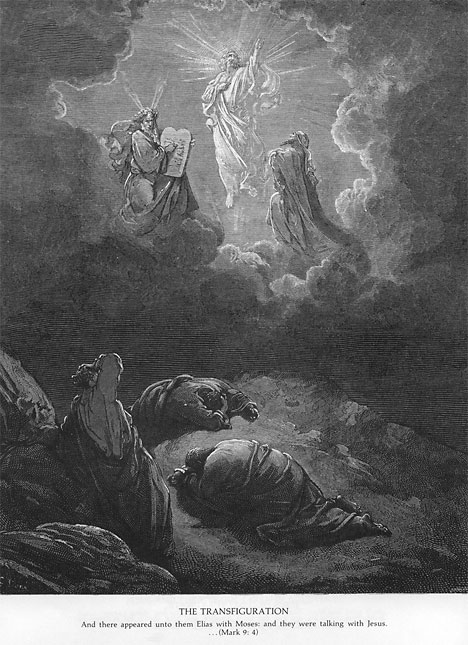
“To have a God-given internal moral compass is to have God Himself.”
Maturation is the process of making God’s “external law” into our internal law, our operating, animating principle. This has huge implications for sanctification, but it also explains a lot of what is going on in the Bible’s symbolism and architecture.
[This post has been refined and included in Sweet Counsel: Essays to Brighten the Eyes.]
Continue reading
13 comments | tags: Covenant Theology, Elijah, Joseph, Moses, Robert Ervin Hough | posted in Bible Matrix, Biblical Theology, Christian Life, Quotes
Sep
4
2012
The Unexpected Luck of Widows’ Sons
A guest post by Luke Welch.
I’ve been reading The Hobbit again, out loud, to our children, and this time through, one phrase in the first chapter caught my attention.
Continue reading
Comments Off | tags: Crucifixion, Elijah, Isaiah, John, Kings, Luke, Luke Welch, Mary | posted in Bible Matrix, Biblical Theology, Quotes
Dec
23
2011
or What’s the Problem with Matthew 27:51-53?
Continue reading
3 comments | tags: Apocalyptic, Atonement, Compromise, Elijah, Elisha, Kings, Literary Structure, Matthew, Resurrection, Revelation | posted in Bible Matrix, Biblical Theology, Ethics
Mar
16
2010
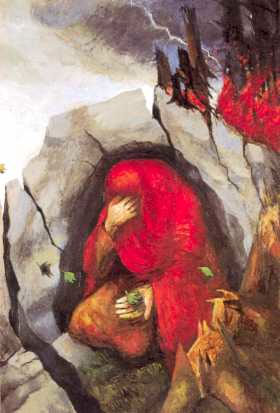
or Sinai Unspoken
On Mount Carmel, Elijah had built an altar of 12 rough-hewn stones. They substituted for the tribes of Israel. They were built and then consumed. The priests of Baal were slain and “washed” in the brook as atonement. The Land was clean. But we know Jezebel trampled this sacrifice underfoot. [1]
Elijah headed for the wilderness. He was a man with a mission. He went to the same cave in which Moses stood, a cleft in the rock. Once again, the Lord “passed over.” He was making a new Covenant, a new Creation, a new Heavens and a new Land.
Continue reading
Comments Off | tags: Azal, Cain, Elijah, Elisha, Ezekiel, Feasts, Hebrew, Jezebel, Tabernacle | posted in Biblical Theology, The Restoration Era
Jan
8
2010
[Link to parts 1 and 2.]
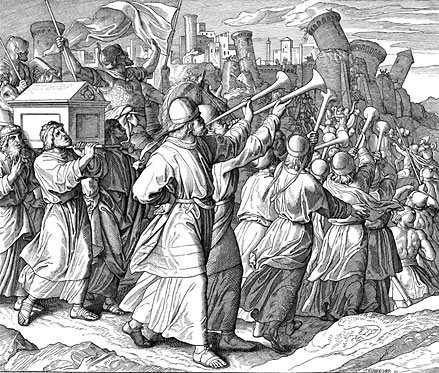
In Revelation 4-5, Jesus ascends and opens the New Covenant scroll (Firstfruits). As Moses, He then opens the Law to Israel (Pentecost). These open seals lead into the partial judgments of the Trumpets. They summon a new generation of Israel and warn the old. The last trumpet, as in Joshua, is itself “seven thunders” (John’s “Little Book”) that bring total destruction to the defiant city, in this case, Herod’s Babylon (Atonement). This is the last trumpet Paul referred to.[1]
Continue reading
Comments Off | tags: Elijah, Feasts, James Jordan, Moses, Peter Leithart, Revelation | posted in Biblical Theology, The Last Days
Dec
3
2009
or Weeping over Jerusalem
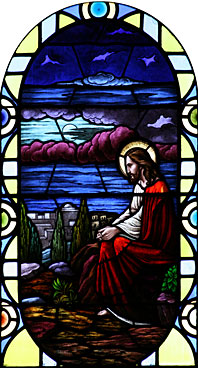 Then Jerusalem, all Judea, and all the region around the Jordan went out to him and were baptized by him in the Jordan, confessing their sins. But when he saw many of the Pharisees and Sadducees coming to his baptism, he said to them, “Brood of vipers! Who warned you to flee from the wrath to come? “Therefore bear fruits worthy of repentance, ”and do not think to say to yourselves, ‘We have Abraham as father.’ For I say to you that God is able to raise up children to Abraham from these stones.” —Matthew 3:5-9
Then, as He was now drawing near the descent of the Mount of Olives, the whole multitude of the disciples began to rejoice and praise God with a loud voice for all the mighty works they had seen, saying: ” ‘Blessed is the King who comes in the name of the LORD!’ Peace in heaven and glory in the highest!” And some of the Pharisees called to Him from the crowd, “Teacher, rebuke Your disciples.” But He answered and said to them, “I tell you that if these should keep silent, the stones would immediately cry out.” —Luke 19:37-40
The Bible is consistent with its symbols, so what is it with stones crying out? Continue reading
Comments Off | tags: Abel, Cain, Elijah, Exodus, Hebrews, John the Baptist, Joshua, Lot, Moses, Resurrection, Toby Sumpter, Uri Brito | posted in Biblical Theology, Quotes, The Last Days
Dec
1
2009
Elijah’s twelve stone altar “died” in the place of Israel, paying the debt for her idolatries, burned to nothing as a priest’s daughter who had committed harlotries. That passage follows the Bible matrix, with the prophets of Baal slaughtered as the scapegoat (washed from the Land in the “Laver” of Kidron, no less).
Did Ahab and Jezebel repent? No, they filled up their sins.[1] So Elijah made an exodus to Sinai. This, too, follows the pattern. Elijah is a new Moses, and he makes a new Covenant for the remnant which will bring about the destruction of Ahab’s dynasty. His “new creation” will be built on the corpse of the old.
Continue reading
Comments Off | tags: Ahab, Bible Matrix, Covenant curse, Elijah, Jezebel, Moses | posted in Biblical Theology, Totus Christus
Apr
8
2009
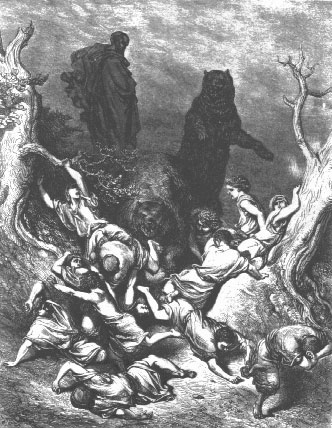
Here is a comment I posted on another blog. The blog accuses God (and the Bible) of cruelty as a basis to reject the Scriptures:
And he [Elisha] went up from thence unto Bethel: and as he was going up by the way, there came forth little children out of the city, and mocked him, and said unto him, Go up, thou bald head; go up, thou bald head. And he turned back, and looked on them, and cursed them in the name of the LORD. And there came forth two she bears out of the wood, and tare forty and two children of them. 2 Kings 2:23-24
Continue reading
Comments Off | tags: AD70, Creation Week, Elijah, Elisha, Joshua, Moses, Remnant | posted in Apologetics, Bible Matrix, Biblical Theology, The Last Days