Nov
22
2014
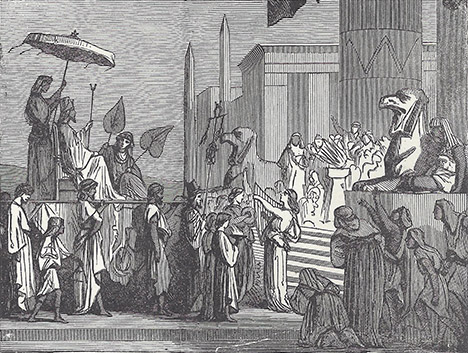
Chiasms are everywhere in the Bible, yet “chiasm” is a word I had never heard before the age of 40. What’s up with Bible teachers? So, if you’re like I was, and totally unaware of these cool things, a chiasm is an occurrence of literary symmetry. Not only are these the way the entire Bible is constructed, you’ll always find them working at multiple levels. And they are not merely cool: they show us the shape of the work of God.
Continue reading
Comments Off | tags: Chiasm, Covenant Theology, Eric Greene, Genesis, Jacob, Joseph | posted in Bible Matrix, Biblical Theology, Quotes
Jun
29
2013
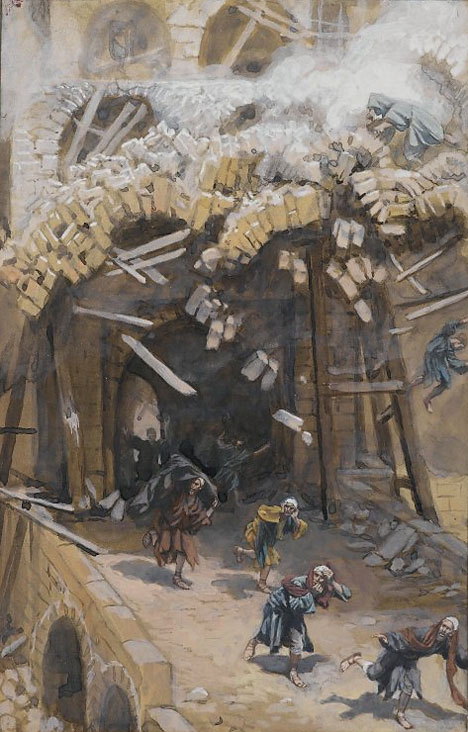
The Falling Architecture of Luke 12:49 – 13:35
An online friend noticed that the tower of Siloam in Luke 13:4 killed eighteen people, and only a few paragraphs later, in 13:11, the bent-over woman had been disabled for eighteen years. Is this a coincidence? Not likely.
Continue reading
Comments Off | tags: Chiasm, Covenant Theology, Literary Structure, Luke, Steve Jeffery | posted in Bible Matrix, Biblical Theology, The Last Days
Aug
30
2012
Theandric Plenipotentiary Iteration
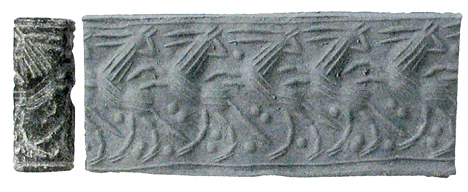 “It takes on form like clay under a seal…” (Job 38:14)
Read The Secret before you read this post.
Typology is the science of recognizing the shape of one thing stamped upon, into, something else. In itself, this is not an exact science by any means, and is prone to abuse. Thankfully, the Bible doesn’t simply give us isolated “indentations”; it gives them to us in sequences. Sequences of ideas, like sequences of musical notes, are exact, even if our identification of them is not yet as refined as we would like.
[This post has been refined and included in Sweet Counsel: Essays to Brighten the Eyes.]
Continue reading
Comments Off | tags: Chiasm, Feasts, Genesis, Literary Structure, Mark Horne, Revelation | posted in Bible Matrix, Biblical Theology, Creation, The Last Days
Aug
19
2012

Holistic Impression
On the shape of biblical language, John Breck writes:
How are we to read the Bible?
The question invites a reply that expresses an attitude: we should read it with respect, with devotion, with curiosity, perhaps even with awe. Certainly these are appropriate responses. Our concern in this present study, however, is not with attitudes but with the approach we use.
Continue reading
Comments Off | tags: Chiasm, Hermeneutics, John Breck, Literary Structure | posted in Bible Matrix, Biblical Theology, Quotes
Jul
25
2012

God Has You Covered
Parsing Psalms means consulting the Hebrew for the word order. This one was quite difficult, once again because English translations mess with things, and also because the Hebrew author likes to play with the matrix structures to make a point. I find I have to redo sections and keep shaking it up until it all falls into place. Is this sentence part of the previous stanza or the beginning of a new one? Or does this stanza have one line that gets expanded into its own pattern to make a point?
The good thing is that once it shakes out, there are some beautiful surprises. One of the gems in this Psalm is the sentence concerning the sun and the moon. In English it is simply two lines (a parallelism), but in Hebrew it is chiastic. Wonderful.
Continue reading
4 comments | tags: Chiasm, Feasts, Literary Structure, Psalms, Tabernacle, Tabernacles | posted in Bible Matrix, Biblical Theology
Nov
14
2011
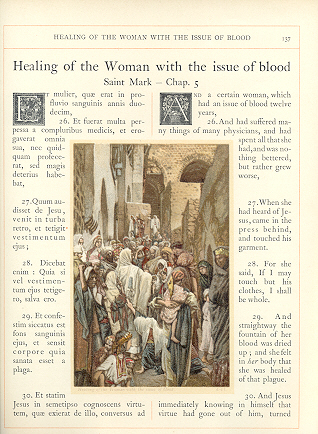
From a recent facebook post by Rick Capezza (reproduced with his permission):
I’m trying to figure out the structure of the miracles of the two daughters in Mark. I looked in a half dozen commentaries for structures, but found nothing. I have yet to try a hierarchical structure, but I took a quick shot at a chiasm using Eric [Pyle]‘s KAYAK tool. [1]
Continue reading
Comments Off | tags: Chiasm, Literary Structure, Mark, Rick Capezza | posted in Biblical Theology, Quotes
Sep
18
2011

Psalm 33
If you feel spiritually barren, that is a good thing. It is because you are, and because God has shown it to you. However, a barren heart cannot praise God. So often we rock up to church with empty hearts and attempt to feel “worshipful.” Well, we are commanded to worship, but must we draw water from dry wells?
Continue reading
Comments Off | tags: Chiasm, Faith, Literary Structure, Psalms, Worship | posted in Bible Matrix, Biblical Theology
Sep
9
2011
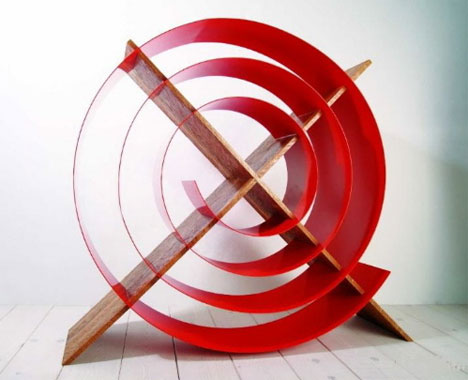
My friend Pastor Albert Garlando has internalized the matrix. He spotted one without even looking for it.
Continue reading
Comments Off | tags: Albert Garlando, Atonement, Chiasm, Crucifixion | posted in Bible Matrix, Biblical Theology
Mar
30
2011

Psalm 11 seems a simple one to break down. As usual, once the structure is parsed, the author’s allusions are allowed to shine. The odd progression of the subject matter of the song suddenly makes sense. Now, remember we are dealing with poetry. All those silly rules you learnt at Bible college don’t apply. But all those good rules you learnt in English class do apply. The context is the Covenant, and Covenant breakers, and all the allusions are drawn from the history of the Covenant so far. It all takes place inside the tent of God and the Land of God, because that is where judgment begins.
Genesis – Creation – Day 1 – Sabbath
In the LORD (Transcendence)
…..I put my trust; (Hierarchy)
……….How can you say to my soul, (Ethics)
…..“Flee as a bird (Sanctions)
to your mountain”? (Continuity)
Continue reading
2 comments | tags: Chiasm, Covenant curse, Covenant Theology, Creation Week, David, Feasts, Literary Structure, Psalms | posted in Bible Matrix, Biblical Theology
Mar
15
2011
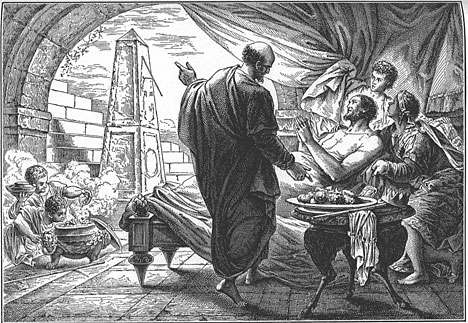
or Raising Up the Temple
An analysis of the literary structure of Day 5 of Creation and passages that are apparently parallel.
Continue reading
Comments Off | tags: Altar of the Abyss, Chiasm, Creation Week, Deuteronomy, Ezekiel, Genesis, Hezekiah, Incense Altar, Isaiah, Literary Structure, Tabernacle | posted in Bible Matrix, Biblical Theology, Creation, The Last Days