Aug
27
2009
“…when the blood goes up, the Spirit comes down.”
The battle between the Son and the serpent rages throughout the Old Testament. Every time the Lord renews the Covenant, Satan is ready with a counterfeit. God uses the phonies to test and purify His people, wipes the failures off the slate, then starts again.
Aaron and Jeroboam set up patently false worship in their golden calves. But false worship in the guise of true was much more difficult to discern, especially when it usurped the exact location of the true. When the Lord took Ezekiel to the Temple as a legal witness, it was a whitewashed tomb. He dug through the wall and discovered that it was a house of hypocrisy, the synagogue of Satan. All that remained of Israel’s witness to the nations was a thin veneer.
Continue reading
Comments Off | tags: David, Ezekiel, Herod, Incense Altar, Jacob, Satan, Saul, Tabernacle, Temple, Totus Christus, Wormwood | posted in Biblical Theology, The Last Days
Aug
27
2009
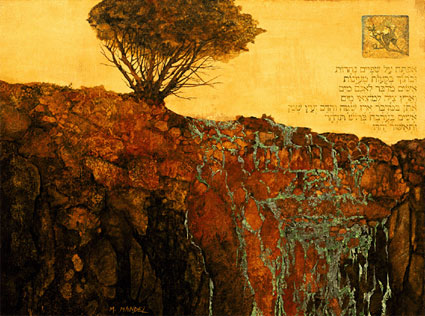
Desert Trees for a Crystal House
Trees are elementary Bible symbols. James Jordan writes:
We have noted that God’s people are spoken of as trees. Genesis 2 sets up the connection by saying that both men and trees come out of the ground (Genesis 2:7, 9). We have mentioned already such passages as Psalm 1 and Judges 9, where trees symbolize men. An interesting sidelight on this symbolism is provided in Mark 8:24, where the blind man healed by our Lord initially saw men as trees walking.
Continue reading
Comments Off | tags: Havilah, James Jordan, Tabernacle, Worship as commerce | posted in Biblical Theology, Quotes
Aug
25
2009
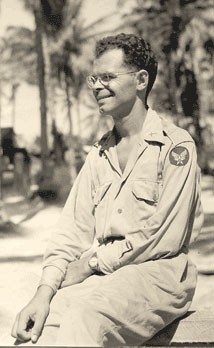
I watched a sermon by J. Edwin Orr from 1976 in which he gave a summary of his brilliant history of revivals. His main point was that revivals all began with unified, cross-denominational prayer. It was a very friendly yet stunning address.
Revivalism cops heat from mainline denominations, and often for good reason. But the societal fruits of the events Orr shared were exactly the kinds of things the proponents of dominion theology crave to see in our time. And they happened over night. What’s the deal?
Continue reading
Comments Off | tags: Dominion Theology, Revival, Revivalism | posted in Biblical Theology
Aug
24
2009
or Eclipsing the Temple of Doom
“Because narrow is the gate and difficult is the way which leads to life, and there are few who find it.” Matthew 7:14
Oh dear. This verse proves postmillennialism wrong. It also proves the rest of the Bible wrong because that is postmillennial too. Fortunately, this problem seems almost as simple to deal with as Irenaeus’ ambiguous text that non-preterists use to “unfound” preterism.[1]
Continue reading
1 comment | tags: Atonement, Bible Matrix, David Chilton, Feasts, Irenaeus, Kenneth Gentry, Postmillennialism, Preterism, Revelation, Sermon on the Mount | posted in Biblical Theology, Totus Christus
Aug
22
2009
or Silence of the Lamb
“And when he had spoken such words unto me, I set my face toward the ground, and I became dumb.” Daniel 10:15
NOTE: THIS POST HAS BEEN REMIXED AND INCLUDED IN GOD’S KITCHEN.
The Dominion pattern always begins with a Word from God. The one He speaks to then goes through a symbolic “Passover” death-and-resurrection. The new prophet is then “raised” to his feet (Firstfruits) and given a task. Filled with God’s Word, he opens it to the intended audience (Pentecost).[1]
Continue reading
Comments Off | tags: Bible Matrix, Egypt, Feasts, John the Baptist, Passover, Revelation, Zechariah | posted in Biblical Theology
Aug
21
2009
Comments Off | tags: Friday Archive Troll | posted in Biblical Theology
Aug
18
2009
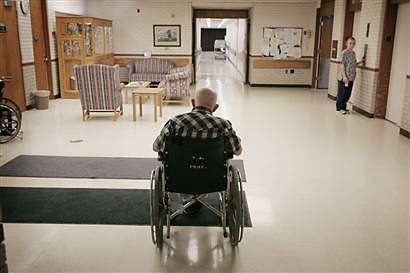
The Master loiters in nursing homes.
Waiting on those who wait for Him,
With those whose grip on life is failing,
Who can do nothing now but pray.
Continue reading
Comments Off | tags: Poetry | posted in Biblical Theology, Christian Life
Aug
18
2009
How were the gentiles related to Passover?
By watching it, and putting faith in it.
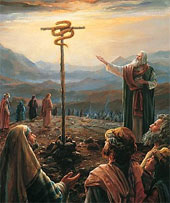 In order for a stranger to eat Passover, he had to circumcise himself and his household (Ex. 12:45-49). If he did so, he became “like a native of the land” (v. 48). We are so accustomed to connecting Passover with the Lord’s Supper that it seems strange to consider that perhaps Passover was only for the priestly people, but such was the case. Converted gentiles were not to eat of it unless they were circumcised, and thereby were incorporated into the seed line of Abraham. Did this exclude them from salvation? No, it only excluded them from priestly duties. Did it make them second class citizens? Only in the eyes of the Pharisees. Biblically speaking, their downstream cultural labors in Havilah were just as important as Israel’s sanctuary task. After all, if everyone had become an Israelite, then who would mine the gold of Havilah? Who would bring it to the sanctuary? Israel had its task, and the converted nations had theirs.
Continue reading
2 comments | tags: Abraham, Circumcision, James Jordan, Passover, Pharisees | posted in Biblical Theology, Quotes
Aug
17
2009
or Lord of the Flies
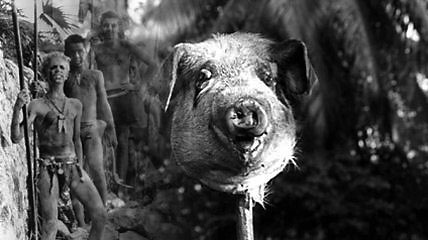
Isaiah 66 pictures hypocritical worship as the Altar of the Abyss (See that series here).
This is just a quick overview. Most of it does seem to fit, but I’m sure there’s plenty more work to do here…
Continue reading
Comments Off | tags: Atonement, Feasts, Isaiah, Numbers 5, Tabernacle | posted in Biblical Theology
Aug
14
2009
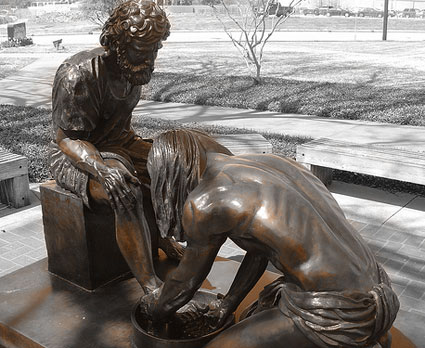
or Filling Up That Which is Lacking
After reading about the Bible’s use of robes as symbols of office (see The Dominion Trap by James B. Jordan), Tim Mitchell commented:
In Bible study we’ve been looking at John, so a few weeks ago was John 13. My Bible translated v.4-5 as “So he got up from the table, took off his robe, wrapped a towel around his waist, and poured water into a basin. Then he began to wash the disciples’ feel, drying them with the towel he had around him.”
So that recalled for me the couple of pages on robe imagery, and it seems to foreshadow what Jesus will do later on very well: He is willing to take off his authority and righteousness, and take on the dirt of our sin.
But then I got a bit unsure, since Jesus then goes on to say “you ought to wash each others’ feet” in v.14 and “Do as I have done to you” in v.15. So if the symbolism applies, how are we also supposed to take other peoples’ sin on us as Jesus did?
Firstly, what a great question. Many New Testament passages become so familiar that we often lose the ability to really think about their ramifications.
The structure of the Last Supper puts this action of Jesus at Atonement, the Laver (Day 6). Jesus is liturgically pre-enacting His role as High Priest. The Adam removed his glorious robes and wore linen for the Day of Covering. Jesus left this in the tomb with our sin on it. But that is not all the High Priest did. He approached the Most Holy twice.
Continue reading
Comments Off | tags: AD70, Against Hyperpreterism, Ahasuerus, Atonement, Daniel, Esther, Hebrews, High Priest, Holy Place, Joseph, Last Supper, Liturgy, Totus Christus | posted in Biblical Theology, Christian Life, Totus Christus